

Generations that survived harsh economic downturns understood money in a way modern consumer culture has completely forgotten. They did not have personal budgeting mobile apps, high-interest retail installment loans, or automated bank draft reminders.
Instead, they relied on hard discipline, deep domestic skills, and a refusal to waste any usable material. Our grandparents knew that financial peace is not created by high income alone. It is built by keeping your basic needs small and your domestic competence high.
Here are 9 forgotten old-fashioned frugal habits passed down from previous generations that can save modern families thousands of dollars every year.
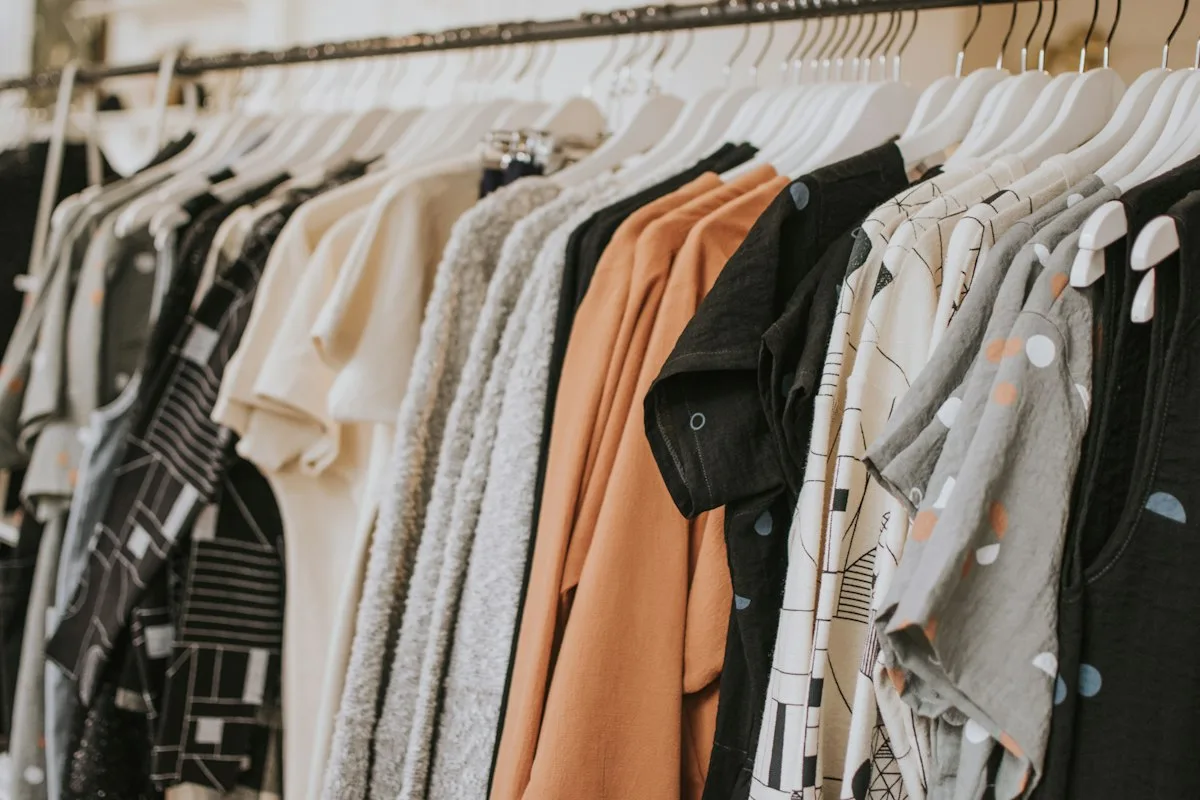
1. Adopting the Classic Motto: Use It Up, Wear It Out, Make It Do, or Do Without
This famous four-part motto guided households through decades of economic scarcity. In today’s throwaway culture, people discard clothing with a missing button, replace blenders with dull blades, and buy new smartphones every twenty-four months.
Practicing this philosophy requires a fundamental mindset shift. When a shirt loses a button, you sew on a replacement rather than buying a new blouse. When your lawnmower blade dulls, you spend five dollars on a hand file to sharpen the steel edge.
Before buying any new household item, challenge yourself to explore three alternatives: repair what you already own, find a clever substitute in your garage, or simply do without for thirty days.
2. Keeping a Comprehensive Running Pantry Inventory
Grandmothers never walked blindly into a grocery store wondering what to cook for dinner. They maintained organized root cellars and pantries where every jar and bag had an assigned location.
Before planning any weekly meals, write down a complete inventory of your dry goods, freezer meats, and canned items. Plan every dinner recipe around ingredients you already have in stock.
This simple habit prevents the common trap of buying a second bottle of soy sauce or third bag of flour while the open ones spoil unnoticed in the back of your cabinets.

3. Treating Food Scraps as Primary Cooking Resources
In older households, throwing edible food into the trash was considered an outright failure of domestic management. Vegetable peels, chicken backs, stale bread heels, and ham bones all served vital roles in future meals.
Stale bread was cubed, toasted with garlic oil, and turned into crunchy soup croutons or ground into savory breadcrumbs for meatloaf. Roasted chicken bones were simmered with celery trimmings and onion skins for eight hours into mineral-dense bone broth.
Keeping a gallon-sized freezer bag for clean vegetable trimmings provides a free, endless base for homemade stocks that taste ten times better than store-bought sodium broth.
4. Mastering Basic Textile Repair and Needlework Skills
Before the rise of cheap polyester imports, textiles were valuable household assets treated with immense respect. Every homemaker knew how to mend a split seam, darn a wool sock, patch denim knees, and turn worn bed sheets into functional cleaning rags.
Today, millions of wearable garments end up in community dumpsters simply because people lack basic sewing skills. Learning two simple stitches—the running stitch and the whip stitch—takes less than fifteen minutes of practice.
A three-dollar sewing kit preserves hundreds of dollars worth of winter parkas, dress trousers, and children’s school clothes every single year.

5. Entertaining at Home with Simple Joys
Previous generations did not spend sixty dollars per person on movie theater popcorn, cinema tickets, and cocktails every Friday evening. Social life centered around neighborhood front porches, living room board games, and church potlucks.
Families gathered around the dining table for card games, shared baking, or gathered on back lawns for summer picnics. Entertaining friends with a big pot of homemade chili and warm cornbread costs under fifteen dollars for eight guests.
Reclaiming simple home-centered hospitality preserves deep social connections without saddling your checking account with crushing restaurant tabs.
6. Paying with Tangible Physical Cash
Older generations conducted their daily commerce with crisp physical banknotes. When you hold physical paper cash in your palm and watch the bills leave your wallet, your brain registers real financial loss.
Modern frictionless payments—including tap credit cards, smartwatch wallets, and one-click phone checkouts—trick the subconscious mind into thinking money is limitless. People spend twelve to eighteen percent more on average when paying electronically.
Withdraw your weekly grocery and discretionary spending money in cash every Monday morning. When the cash envelopes are empty, spending stops immediately until next week.

7. Preserving and Canning Seasonal Harvest Produce
Whenever summer vegetables and orchard fruits reached peak harvest abundance, our grandparents spent weekends preserving that wealth for cold winter months.
Tomatoes were water-bath canned into rich pasta sauces, strawberries were cooked into sweet fruit jams, and cucumbers were brined into crisp dill pickles. You bought produce at rock-bottom peak season prices when farmers practically gave bushels away.
Learning water-bath canning lets you stock your pantry shelves with organic gourmet preserves at a tiny fraction of specialty grocery store prices.
8. Reusing Durable Household Packaging Materials
Modern households throw away sturdy plastic containers, glass spaghetti jars, and metal tins by the dozen every week, only to buy expensive plastic storage containers from home goods stores.
Grandparents saved wide-mouth glass pickle jars to store bulk rice, beans, and leftover soups in the refrigerator. Clean butter tubs became freezer containers for homemade marinara sauces. Metal biscuit tins held sewing needles, screws, and hardware.
Embracing functional reuse eliminates the urge to buy trendy matching pantry bins while keeping durable materials completely out of municipal landfills.

9. Cultivating Patience as an Active Financial Defense
Perhaps the most valuable lesson previous generations taught was the art of patient delayed gratification. If our grandparents wanted a new dining table, winter coat, or sewing machine, they saved coins in an envelope for six months before buying.
They understood that waiting transforms impulsive infatuation into practical judgment. Often, after waiting four weeks, they discovered they no longer needed the item at all.
In a culture conditioned for next-day delivery, cultivating intentional patience is your ultimate superpower against high consumer debt.
What Usually Happens in Real Life
When people read about old-fashioned frugality, they romanticize the past and try to start canning sixty jars of tomato sauce, mending twenty pairs of socks, and baking sourdough bread all in one weekend.
They quickly become overwhelmed by the heavy manual labor involved. Modern life carries different career pressures, so balance is essential.
Adopt these practices pragmatically. Start with simple food scrap broths and paying with cash for weekend dining. Blend old-world common sense with modern convenience for a sustainable, joyful lifestyle.
What Most People Overlook
Most people forget that our grandparents did not view these habits as sacrifices. To them, managing household resources skillfully was a point of immense personal pride and dignity.
When you master cooking from scratch or repairing your own clothes, you gain profound self-reliance. You break free from dependency on fragile corporate supply chains and predatory consumer marketing.
Common Mistakes Beginners Make
- Hoarding useless garbage: Reusing jars and containers is frugal, but storing hundreds of empty yogurt cups creates cluttered, unlivable homes. Keep only what you actively use.
- Spending more on hobbies than you save: Buying five hundred dollars of high-end canning equipment to preserve fifteen dollars of cucumbers defeats the purpose. Keep startup gear simple.
- Refusing helpful modern efficiencies: Frugality does not require hand-washing laundry on a metal washboard. Use modern appliances to save valuable time while practicing old-school thrift.
- Neglecting family buy-in: Explain the empowering vision behind these changes to your family so everyone participates willingly.
Frequently Asked Questions
Are canning and food preserving safe for complete beginners?
Yes, provided you strictly follow tested scientific recipes from university extension services or the National Center for Home Food Preservation. High-acid foods like pickles, jams, and fruit sauces are very beginner-friendly and safe for boiling water bath canning.
How does paying cash stop overspending if you still buy the same items?
Behavioral research shows that parting with physical cash stimulates the pain receptors in the human brain. Swiping a plastic card feels painless, which leads to frictionless micro-spending and twenty percent higher cart totals.
Can these habits work for someone working full-time in a small apartment?
Absolutely. You do not need a farm or large basement. Simple habits like pantry inventory checks, stock broths, mending seams, and using cash envelopes take very little physical space and adapt easily to apartment life.