Modern marketing often portrays zero-waste living as an expensive aesthetic. Influencers promote fifty-dollar matching ceramic jars, thirty-dollar linen bread bags, and designer bamboo cutlery sets. That kind of consumerism is not zero waste. It is just greenwashed spending.
True low-waste living is deeply rooted in frugality. When you stop buying things designed to be thrown into a dumpster after thirty minutes, your monthly household spending plummets. You generate less trash, live in a simpler space, and retain significant cash in your bank account.
Here are 9 practical, zero-waste daily habits that actually cut your monthly expenses.
1. Ditching Plastic Cling Film for Reusable Wraps and Lids
Plastic cling wrap is flimsy, difficult to handle, and non-recyclable. Buying replacement plastic rolls every month is an unnecessary recurring expense.

Switch to washable beeswax wraps or simply place a standard dinner plate over bowls of leftovers in the refrigerator. Inverting a ceramic plate creates a tight seal, costs nothing, and washes clean with your regular dishes.
2. Infusing Homemade Citrus Vinegar Surface Cleaner
Commercial cleaning sprays are mostly scented water packed in single-use plastic bottles with chemical fragrances. Each bottle costs five to eight dollars.

Whenever you eat an orange, lemon, or grapefruit, toss the citrus peels into a glass jar and cover them with cheap white vinegar. Let it steep for two weeks, strain the liquid, and dilute it with equal parts water in a spray bottle. The citrus oils provide natural grease-cutting power, and the vinegar disinfects effectively for pennies per refill.
3. Upgrading to Solid Bar Soaps and Shampoos
Liquid body washes and shampoos are eighty percent water shipped in heavy plastic bottles. You pay for the shipping weight of water and the disposable plastic packaging.
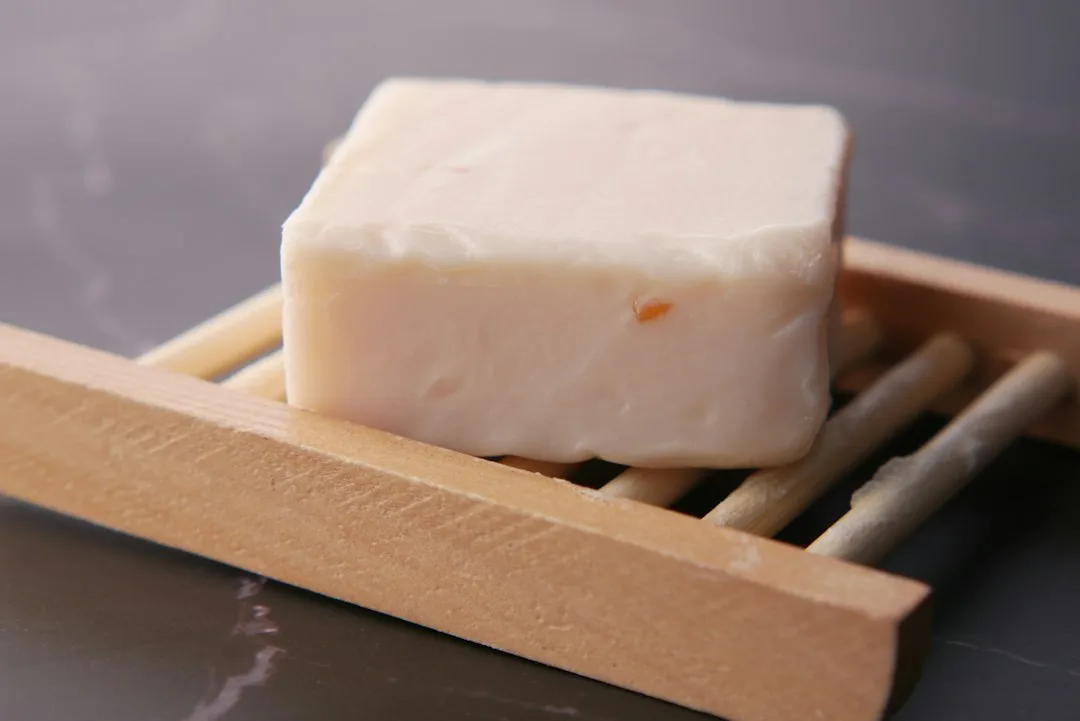
Solid bar soaps and concentrated shampoo bars arrive in simple paper packaging or with no wrapper at all. A quality three-dollar bar of castile or goat-milk soap lasts twice as long as a six-dollar bottle of body wash because people rarely pump excess amounts.
4. Air-Drying Laundry Indoors and Outdoors
Clothes dryers are among the most electricity-hungry appliances in any residence. The high heat also breaks down fabric fibers, creating the lint you scrape from your filter every load.

Hang your damp shirts, pants, and bedding on a folding wooden drying rack or an outdoor clothesline. Air-drying eliminates dryer energy costs completely and extends the lifespan of your wardrobe by years.
5. Regrowing Kitchen Scraps on Your Windowsill
Before tossing root ends into the bin, realize that many kitchen vegetables regenerate with just clean water and sunlight.
Place green onion root stubs, celery bases, and romaine lettuce hearts in a shallow dish of fresh water on a sunny kitchen sill. Green onions sprout fresh green shoots within days, providing an endless supply of aromatic herbs without spending three dollars on plastic produce bags every week.
6. Collecting Kitchen Trimmings for Free Compost
Food waste trapped in plastic garbage bags in municipal landfills generates harmful methane gas. Meanwhile, gardeners spend fifteen dollars a bag on commercial potting soil.

Keep a small countertop bin for apple cores, coffee grounds, and eggshells. Mix them with dry leaves in a simple backyard bin or garden corner. Within months, nature transforms your food waste into rich, dark compost for your vegetable garden and indoor houseplants at zero cost.
7. Buying Whole Foods in Bulk Instead of Mini-Packages
Packaged convenience foods force you to pay for branding, individual plastic wrappers, and retail marketing budgets.
Bring your own cloth bags or clean reused jars to grocery bulk bins. Buying rolled oats, brown lentils, raw almonds, and whole grains from bulk bins cuts forty percent off the price per pound compared to glossy branded boxes in center aisles.
8. Switching to a Stainless Steel Safety Razor
Multi-blade plastic disposable razor cartridges are designed for planned obsolescence. A four-pack of replacement brand cartridges frequently retails for twenty-five dollars.
A traditional stainless steel double-edge safety razor costs twenty dollars once and lasts a lifetime. Replacement Swedish steel razor blades cost roughly ten cents each. That single transition cuts ninety percent of your personal grooming shaving expenses forever.
9. Reusing Glass Jars for All Food Storage
Before purchasing trendy sets of food storage containers online, look at your recycling bin. Commercial food packaging is built with durable, food-safe glass.
Clean out glass pasta sauce jars, pickle jars, and salsa containers. Soak them in warm water with baking soda to peel labels off cleanly. They provide airtight, smell-proof, and plastic-free containers for storing dry pantry staples, homemade broths, and leftover salads.
What Usually Happens in Real Life vs. What People Expect
People worry that living low-waste requires tedious, complicated routines that take up all their free time.
In practice, your home feels lighter and more peaceful. You stop hauling heavy trash bags to the curb every other day. You never have to rush to the store because you ran out of disposable sandwich bags or plastic wrap. You work with durable tools that do their job reliably every single day.
What Most People Overlook
People focus on expensive eco-gadgets and forget that the most sustainable, money-saving item is always the one you already own.
Do not throw away plastic containers or existing cleaning supplies just to look aesthetically zero waste. True eco-frugality means using every item you currently possess until it is completely worn out.
The Most Common Mistake Beginners Make
The biggest trap is trying to achieve absolute zero trash overnight. Becoming obsessed with fitting a year of trash into a tiny mason jar creates guilt and exhaustion.
Aim for practical, realistic reduction. Pick two habits from this list this month. Master them until they fit smoothly into your daily schedule. Sustainable, steady habits protect both your financial balance sheet and the planet for the long haul.
