Grocery prices have climbed relentlessly over the past few years. Walking down supermarket aisles, simple staple items that used to cost two dollars now carry four-dollar price tags. For families with growing kids, a single checkout run can easily cross two hundred dollars.
Feeding a family of four nutritious, satisfying meals on a sixty-five dollar weekly budget sounds impossible on paper. Many people assume you must survive on processed ramen noodles or skimpy portions. That assumption is completely false.
With strategic planning, smart staple rotation, and zero-waste kitchen habits, you can serve wholesome breakfasts, filling lunches, and hearty dinners for less than sixty-five dollars a week. Here is the exact blueprint to make it happen.
The 65-Dollar Weekly Grocery Basket Strategy
To feed four people on sixty-five dollars, ninety percent of your cart must consist of nutrient-dense, unbranded whole ingredients.
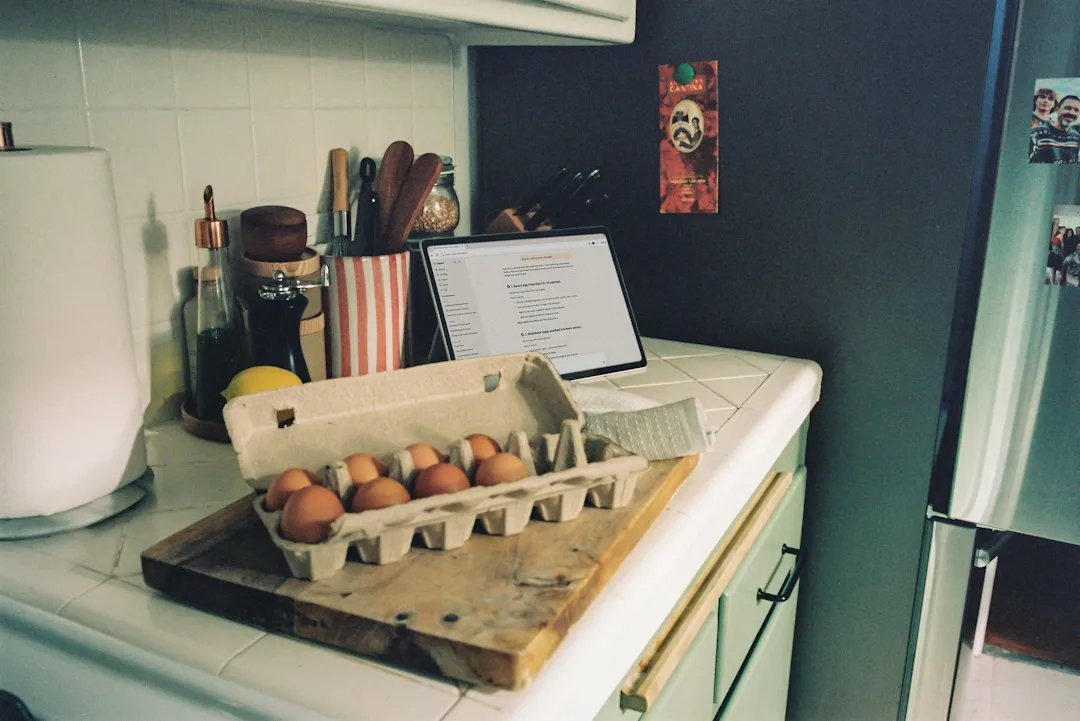
Here is what an intentional sixty-five dollar shopping basket looks like at discount retailers like Aldi, Lidl, or local ethnic markets:
- Proteins (\$18): One 5-pound bag of bone-in chicken thighs (\$8.00), two dozen large eggs (\$5.00), two 1-pound bags of dry black beans and pinto beans (\$3.00), and one block of cheddar cheese (\$2.00).
- Complex Carbohydrates (\$11): One 5-pound bag of long-grain brown or white rice (\$4.00), one 5-pound bag of russet potatoes (\$3.50), one large container of rolled oats (\$2.50), and two packages of corn tortillas (\$1.00).
- Produce & Aromatics (\$18): One 3-pound bag of yellow onions (\$2.50), one head of fresh garlic (\$0.75), one 3-pound bag of carrots (\$2.50), one whole green cabbage (\$2.00), two 1-pound bags of frozen mixed vegetables (\$2.50), four pounds of seasonal bananas (\$2.50), and two large heads of romaine lettuce (\$2.50).
- Pantry Essentials (\$9): Two large cans of crushed tomatoes (\$2.50), one loaf of 100% whole wheat bread (\$1.75), one jar of creamy peanut butter (\$2.25), and one carton of plain whole milk (\$2.50).
- Buffer Fund (\$9): Reserved for seasonal markdowns, baking spices, or fresh clearance produce.
The Anchor Protein Technique
Buying individual cuts of meat for every dinner ruins any food budget. Instead, anchor your week around one versatile, inexpensive cut of meat paired with high-fiber plant proteins.
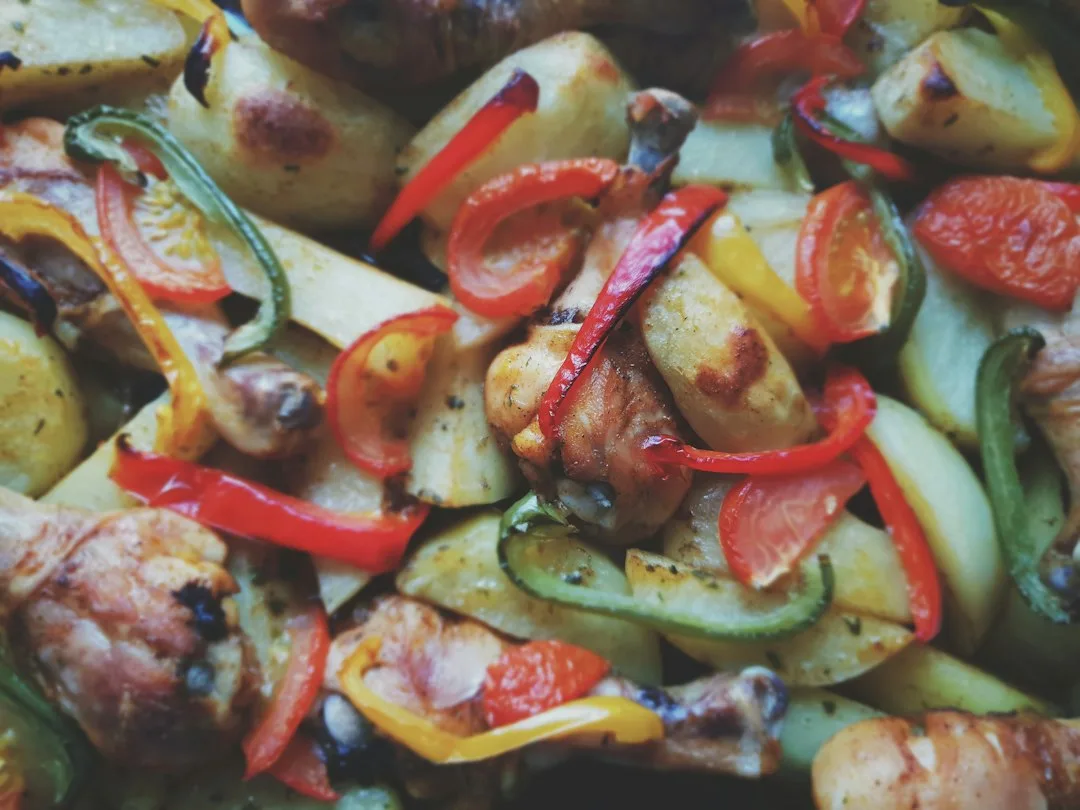
Bone-in chicken thighs and whole chickens cost less than half the price of boneless skinless chicken breasts. On Sunday, roast the chicken thighs on a baking sheet with sliced onions and carrots. Serve half of the roasted chicken on Sunday night with baked potatoes and steamed cabbage.
Strip the remaining cooked meat from the bones and shred it. Store the shredded chicken in your refrigerator. Those seasoned meat portions will flavor two additional family dinners later in the week.
Stretching Chicken Bones into Rich Soup Broth
Never throw roasted chicken bones away. Place the bones into a large stockpot along with onion skins, carrot ends, and celery scraps.
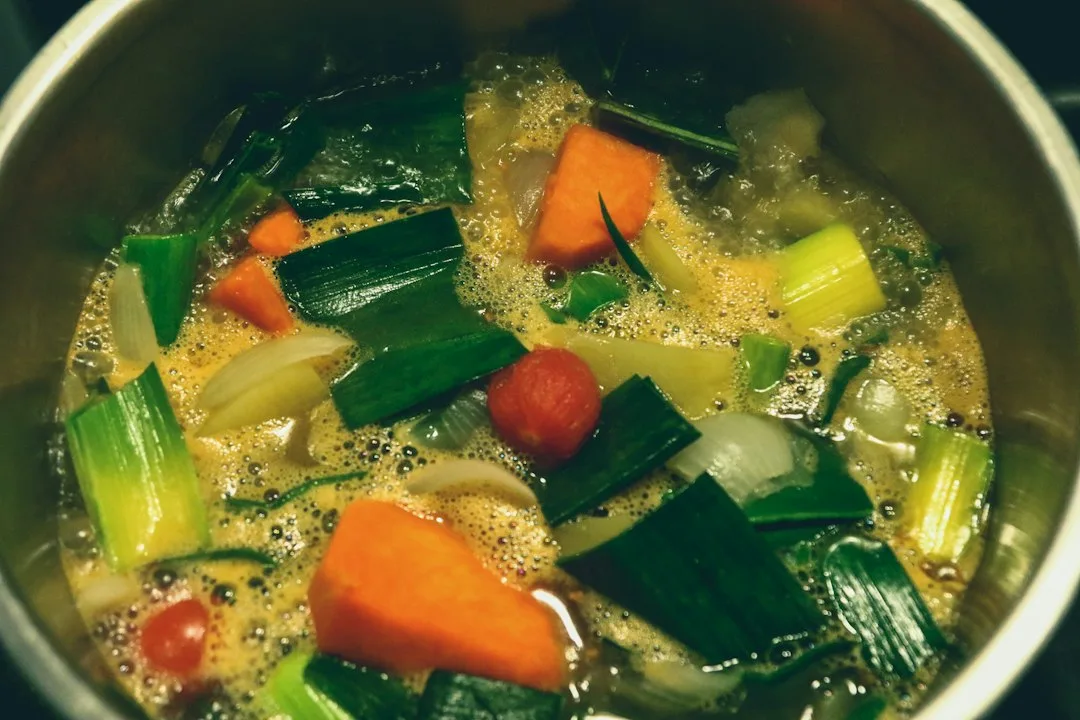
Cover with cold water, add salt, and simmer gently for three hours. You yield eight cups of rich, golden chicken bone broth for zero extra cents. On Wednesday evening, add diced potatoes, carrots, shredded cabbage, and leftover shredded chicken to this broth. You get a massive pot of healing chicken vegetable soup that fills four bowls twice over.
Building Meals Around Rice and Bean Foundations
Rice and beans are the undefeated champions of frugal living worldwide. Together, they form a complete protein packed with dietary fiber, iron, and potassium.

Cook a batch of dry black beans in a slow cooker or pot with chopped onion, garlic, and cumin. Pair the beans with seasoned garlic rice, warm corn tortillas, shredded cabbage slaw, and a sprinkle of cheddar cheese. This Mexican-style bean bowl tastes incredible, costs sixty cents per serving, and keeps hungry kids full for hours.
Breakfasts and Lunches on Autopilot
Breakfast and lunch do not require gourmet variety. Simplifying these two meals keeps food preparation fast and spending predictable.
- Breakfast: Warm rolled oatmeal cooked with water and a splash of milk, sweetened with sliced ripe bananas and a spoonful of peanut butter. Alternatively, scrambled eggs on whole wheat toast.
- Lunch: Classic peanut butter sandwiches with banana slices, leftover chili, or egg salad scooped onto crisp cabbage leaves.
The Full 7-Day Dinner Roster
Here is how the sixty-five dollar basket translates into seven satisfying family dinners:
- Monday: Crispy roasted chicken thighs with garlic mashed potatoes and sautéed green cabbage.
- Tuesday: Black bean and cheddar tacos on warm corn tortillas with shredded cabbage slaw and salsa.
- Wednesday: Hearty homemade chicken vegetable potato soup served with toasted wheat bread.
- Thursday: Loaded baked russet potatoes topped with seasoned pinto beans, melted cheese, and green onions.
- Friday: Vegetable and egg fried rice using cold leftover brown rice, frozen vegetables, and scrambled eggs.
- Saturday: Garden vegetable and potato frittata served with a crisp romaine side salad.
- Sunday: “Kitchen Clean-Out” skillet combining all remaining roasted vegetables, beans, and melted cheese over rice.
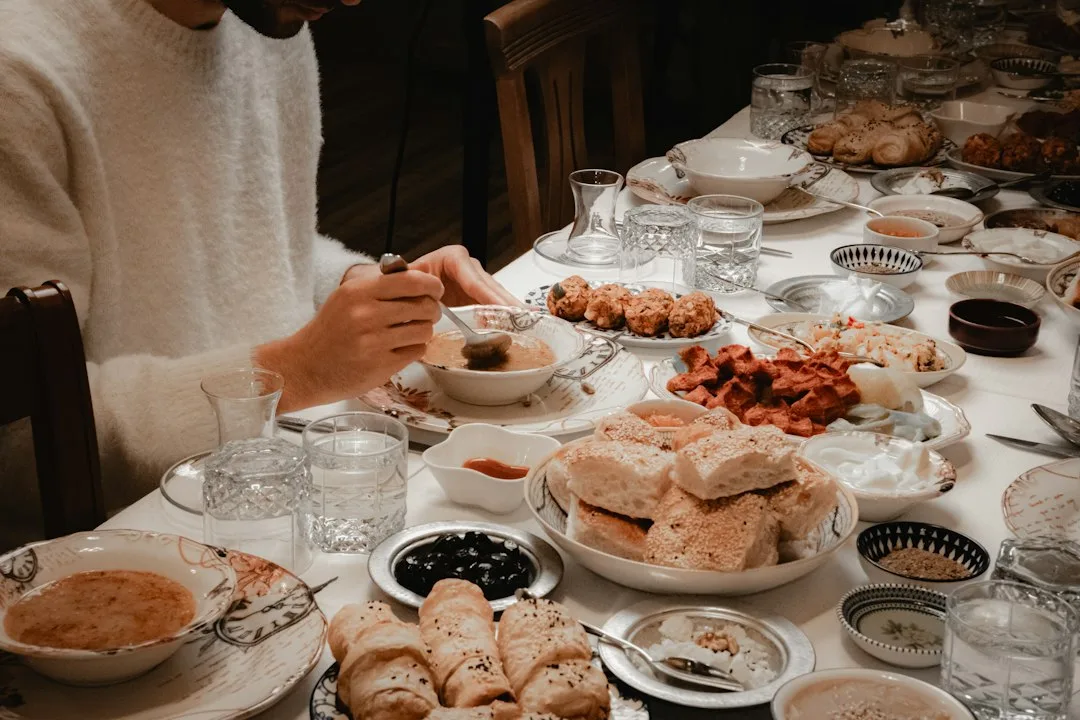
What Usually Happens in Real Life vs. What People Expect
People assume that eating on a tight grocery budget means children will complain and dinner will feel sad.
In practice, when meals are seasoned generously with garlic, black pepper, and real butter, children love them. Kids crave simple, familiar foods like tacos, baked potatoes, and warm soups far more than complicated recipes. Sitting down together over hot, homemade food creates warm childhood memories that store-bought convenience meals never match.
What Most People Overlook
Most budget shoppers spend hours hunting manufacturer coupons for branded cereal and packaged snack bars. What they overlook is that cabbage is the ultimate budget vegetable.
A two-dollar green cabbage yields ten large cups of hearty vegetable shreds. Unlike delicate lettuce that turns to slime in three days, raw cabbage stays crisp in the refrigerator for four weeks. You can braise it, sauté it in butter, toss it raw into tacos, or stir it into soups. It is the hardest-working produce item in a budget kitchen.
The Most Common Mistake Beginners Make
The biggest mistake is buying specialty ingredients for seven completely different recipes. You buy a bottle of sesame oil for Monday, hoisin sauce for Tuesday, and sour cream for Wednesday. Half of each container spoils, and your bill doubles.
Keep your flavor profile cohesive. Pick three core seasonings—such as Mexican spices, classic garlic-herb, and simple cracked pepper. Use those flavor profiles across your staples. You will spend less, cook faster, and waste nothing.
