Supermarkets are not neutral warehouses of food. They are meticulously engineered retail environments designed by behavioral psychologists with one specific goal: to make you spend as much money as possible before reaching the exit doors.
From the soothing background music tempo to the placement of fresh flowers at the entrance, every detail influences your spending speed and cart additions. When you walk into a grocery store unprepared, you are playing against professionals.
Learning how grocery stores operate levels the playing field. Here are 12 insider supermarket secrets that will cut your grocery receipt by twenty to thirty percent on your very next trip.
1. The “Eye-Level Is Buy-Level” Rule
Supermarkets charge food manufacturers steep “slotting fees” to place products at eye level. Eye-level shelves hold the most expensive brand names with the highest profit margins.
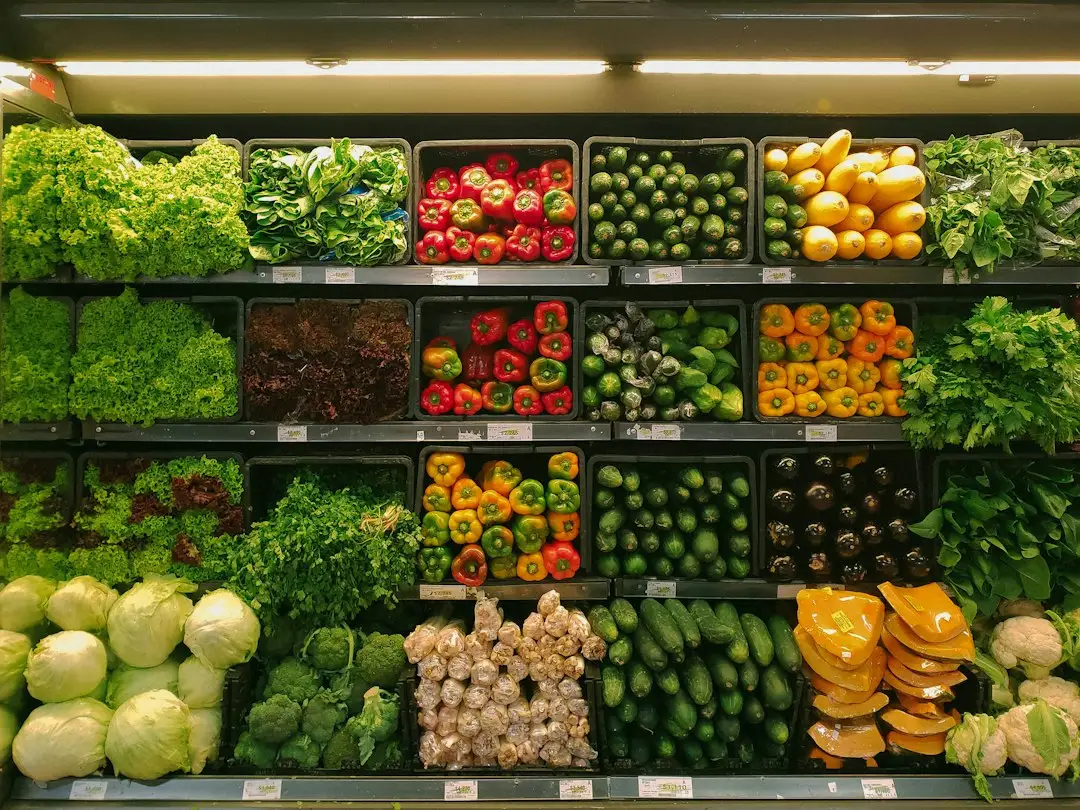
Always look at the bottom two shelves of every aisle. That is where grocery stores hide their store-brand generics, bulk containers, and affordable staple alternatives. The quality is often identical, but the price is thirty to forty percent lower.
2. Always Check the Unit Price, Not the Sticker Price
Food packaging can be deceptive. A large box with vibrant graphics can contain half as much cereal as a dense bag beside it.
Glance at the small printed numbers in the corner of the shelf price tag. That is the unit price—calculated in cost per ounce, pound, or liter. Comparing unit prices immediately exposes whether a “family-sized” box actually provides a bargain or charges you extra for air.
3. Beware the Endcap Displays
The displays at the ends of supermarket aisles—known as endcaps—look like clearance bargain bins. Shoppers assume items placed there are on steep discount.
In reality, food manufacturers pay premium fees for endcap placement. Many endcap items are sold at regular retail prices or marked down by mere pennies. Always verify the aisle shelf price before assuming an endcap display is a genuine deal.
4. Buying Whole Vegetables Over Bagged Conveniences
Bagged salads, shredded carrots, and pre-cut pineapple carry a massive convenience markup for twenty seconds of knife work.
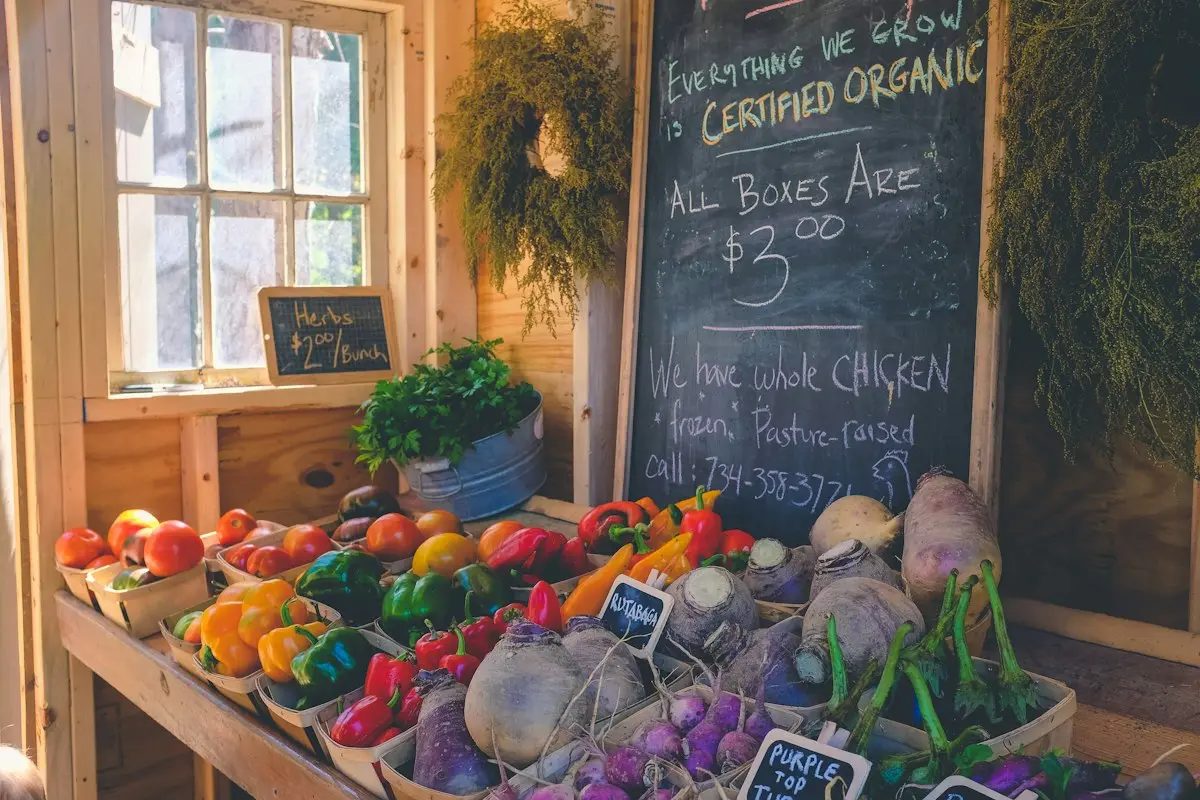
A plastic clam-shell of pre-washed salad greens costs four dollars and wilts in forty-eight hours. A whole green cabbage costs two dollars, yields five times more volume, and stays fresh for a month. Buy whole carrots, whole heads of lettuce, and uncut fruits.
5. Hunting the Morning “Manager Specials”
Butchers and dairy managers mark down meats, cheeses, and yogurt nearing their sell-by dates every single morning.
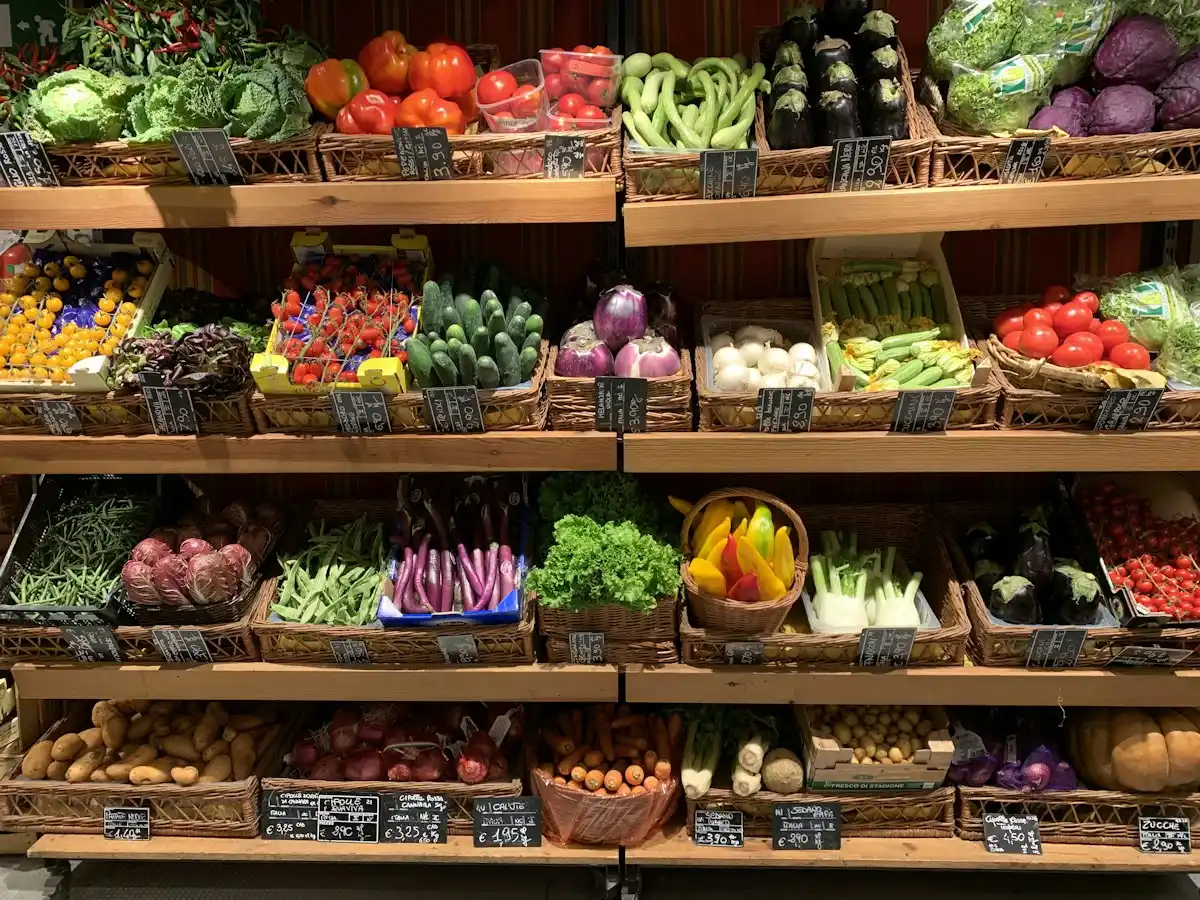
Shop between 8:00 AM and 10:00 AM. Look for bright yellow or orange markdown stickers in the meat department. These packages are frequently discounted by thirty to fifty percent. Take them home and freeze them immediately. You stock your freezer with premium beef, pork, and poultry at clearance prices.
6. Sticking to the Perimeter of the Store
Notice how grocery stores are laid out. Fresh produce, whole butcher meats, dairy, and fresh bakery items are situated along the outer walls of the building.
The center aisles are filled with processed, high-margin packaged snacks, sodas, and convenience boxes loaded with preservatives. Spend eighty percent of your shopping time along the perimeter where real, nourishing food lives.
7. Never Shopping on an Empty Stomach
Entering a grocery store while hungry is a guaranteed financial disaster. When blood sugar drops, your brain’s impulse control weakens, and every colorful snack package looks irresistible.
Eat a small snack—like an apple with peanut butter or a handful of nuts—before grabbing your shopping cart. Shopping with steady blood sugar keeps your mind focused solely on your list.
8. Avoiding the Pre-Cut Meat and Grated Cheese Trap
Blocks of cheese cost significantly less per pound than bags of pre-shredded cheese. Pre-shredded cheese also contains cellulose powder to prevent clumping, which prevents smooth melting.
Grating your own cheddar at home takes two minutes, melts better, and saves twenty-five percent. Similarly, buying whole pork loins or whole chickens and slicing chops or cutting portions yourself saves dollars on every pound.
9. Ignoring Brand-Name Spices
Standard spice aisles charge six dollars for tiny glass jars of cumin, garlic powder, or oregano from major brand names.
Walk over to the international or Hispanic food aisle in the same store. You will find identical bags of cumin, bay leaves, and chili powder for one-third the price. Spices have no nationality; dry cumin is dry cumin.
10. Skipping Multi-Buy Traps
Signs blaring “10 for \$10” trick consumers into buying ten items when they only needed one.
In most grocery stores, you do not need to buy ten items to get the sale price. A single can still rings up for one dollar. Always check the fine print or ask the cashier. Do not let promotional signs force you into buying excess inventory that will clutter your cupboards.
11. Using a Smaller Cart or Hand Basket
Supermarket carts have grown nearly thirty percent larger over the past two decades. A massive metal cart creates an optical illusion that makes three items look lonely and inadequate, subtly encouraging you to add more.
If you are shopping for a few mid-week items, grab a handheld basket. When your arm starts feeling the physical weight of what you are carrying, you naturally think twice before adding non-essential items.
12. Defending Yourself at the Checkout Lane
The checkout aisle is the final gauntlet of impulse marketing. Rows of chilled sodas, candy bars, and magazines are placed there specifically to catch you while you wait.
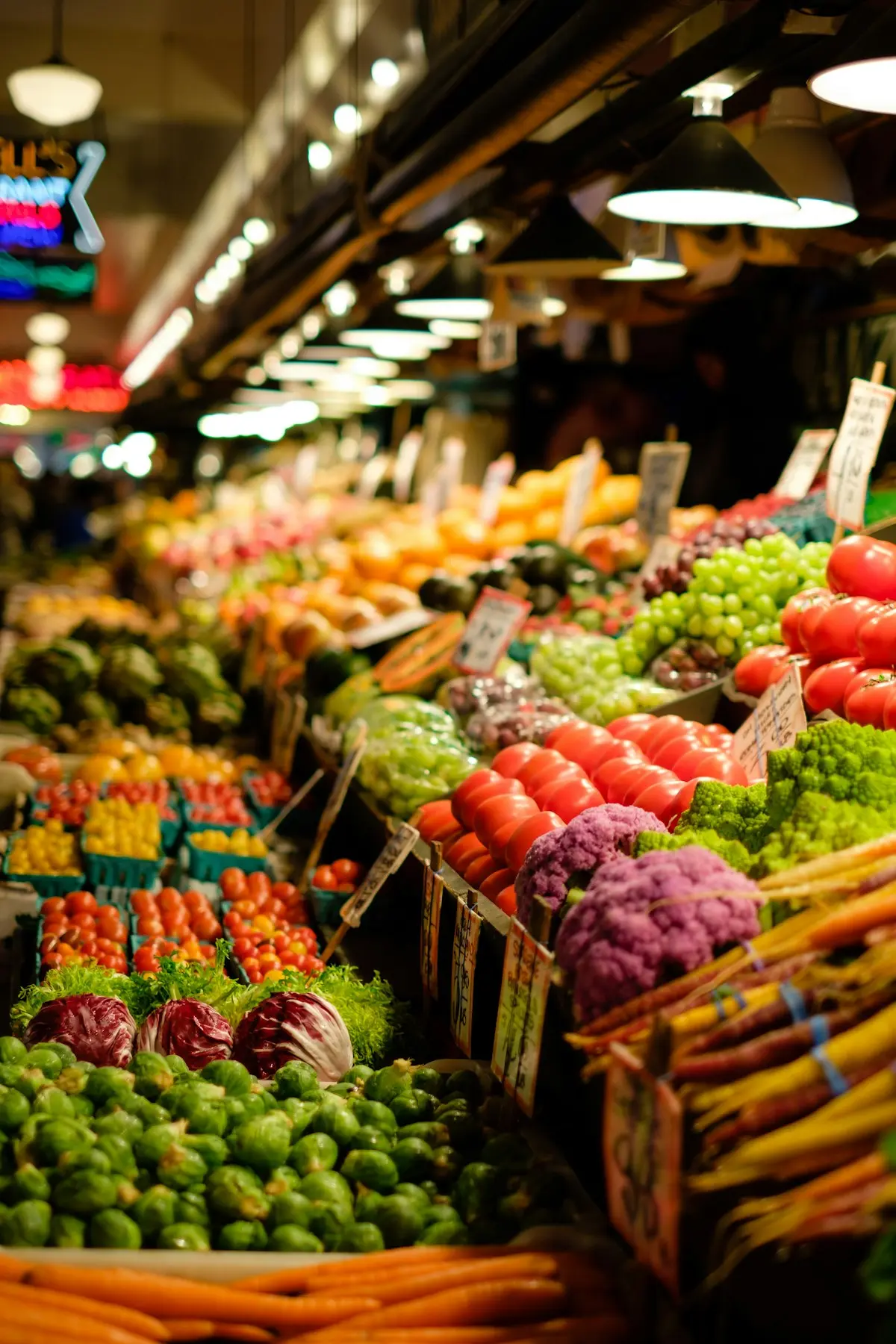
Keep your phone in your pocket and watch the register screen as items are scanned. Price scanner errors happen regularly—sale prices fail to ring up or promotional discounts do not register. Catching one scanner mistake saves you three to five dollars instantly.
What Usually Happens in Real Life vs. What People Expect
Shoppers expect that using store-brand generics will mean eating inferior, bland food.
In practice, many store-brand products are manufactured in the exact same processing plants as top national brands. A blind taste test rarely reveals any difference in canned tomatoes, white sugar, oats, or pasta. You pay for the food, not the manufacturer’s television commercial budget.
What Most People Overlook
Shoppers focus intensely on sale items on the front page of the weekly flyer. What they overlook is that loss-leader items are designed to lure you inside so you buy thirty full-price items alongside them.
Buy the front-page meat or produce loss-leaders by all means, but do not let the store convince you to buy all your secondary staples there if prices are cheaper elsewhere.
The Most Common Mistake Beginners Make
The biggest mistake is driving to four different grocery stores across town to save fifty cents on eggs and forty cents on butter.
The gasoline and time spent driving between four stores wipes out your savings completely. Pick one low-cost supermarket like Aldi, Lidl, or WinCo that offers consistently low baseline prices across the entire store. Do your main shopping there and keep your errands efficient.
