Disclosure: SavingsGlow participates in the Amazon Services LLC Associates Program. As an Amazon Associate, I earn from qualifying purchases at no extra cost to you.
We have all experienced it: a product on Amazon features a bright red badge blaring “50% OFF – Limited Time Deal!” The original price is listed as \$60.00, marked down to \$29.99. Your brain experiences an immediate rush of urgency, and you click “Buy Now” before the deal expires.
Three days later, you check the listing again. The “deal” is over, but the item is still selling for \$29.99. In fact, it has been twenty-nine dollars for the past eight months. The sixty-dollar list price was an artificial anchor engineered to manufacture a false sense of urgency.
Amazon’s pricing algorithms adjust millions of product prices every single hour. Without the right shopping tools and knowledge, it is easy to overpay while believing you got a bargain. Here is the ultimate insider guide to finding genuine Amazon deals, spotting fake discounts, and saving real money on every purchase.
1. The CamelCamelCamel Price History Trick
The single most powerful weapon in any smart shopper’s arsenal is CamelCamelCamel—a free Amazon price tracking tool.

Whenever you consider buying an appliance, electronic device, or household tool over twenty dollars, copy the Amazon product URL and paste it into CamelCamelCamel. In two seconds, it generates a complete historical price graph showing the item’s highest price, lowest price, and average price over the past five years.
If an item claims to be discounted to \$45 but regularly sells for \$35 every third week, you know to wait. You can also set a price drop alert that emails you the instant the product hits your target price.
2. Hunting the Secret “Amazon Warehouse” (Amazon Resale)
Millions of Amazon customers return items simply because they changed their mind, ordered the wrong color, or the cardboard box was slightly dented in shipping. By law, Amazon cannot resell an opened box as “brand new.”
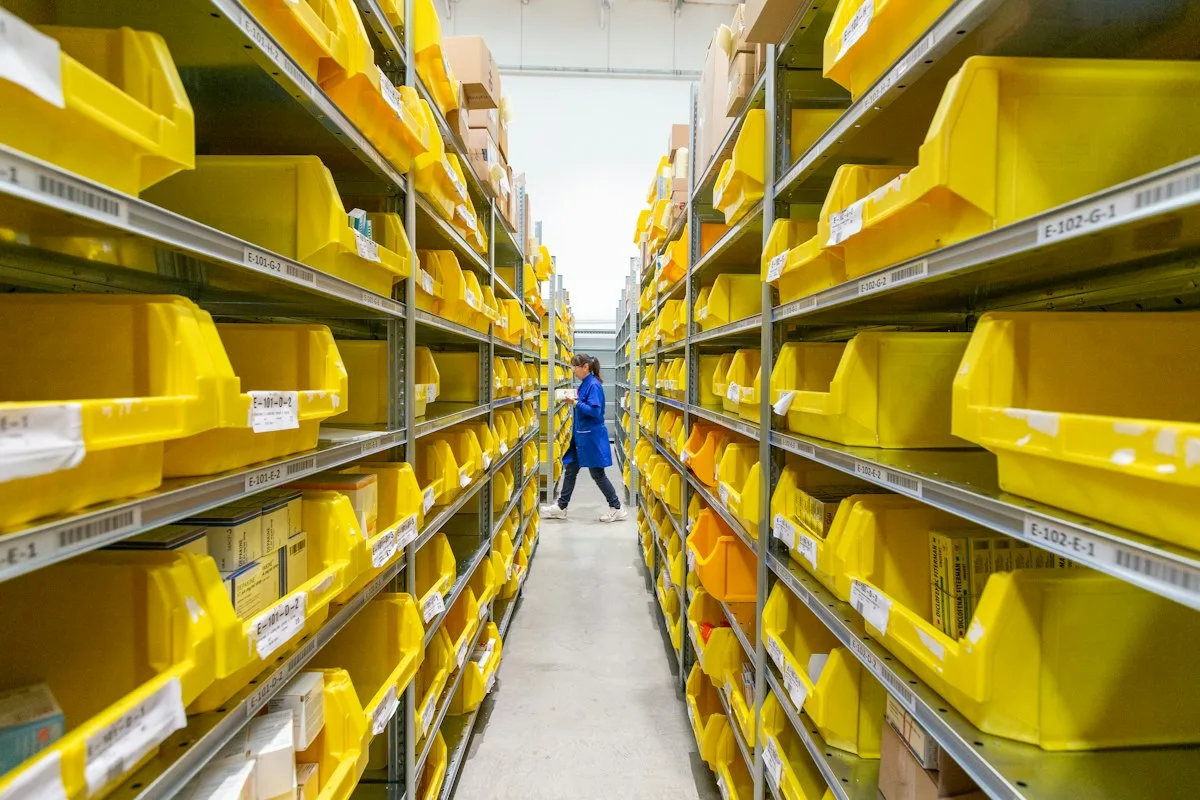
Instead, these items are tested, graded, and moved to Amazon Resale (formerly Amazon Warehouse). You can find premium kitchen appliances, office chairs, and vacuums in “Like New” condition discounted by thirty to fifty percent. They carry the exact same 30-day hassle-free return policy as brand-new items, giving you zero financial risk.
3. Checking for the Hidden “Clip Coupon” Checkbox
Many Amazon sellers offer promotional digital coupons that do not apply automatically at checkout unless you manually click them.

Always glance directly beneath the product price. Look for a small green check box that says “Save an extra \$5.00 with coupon” or “Save 15% on your first order.” Clicking that box applies the discount instantly at final checkout. Millions of shoppers miss these coupons simply because they scroll past them too quickly.
4. Mastering Subscribe & Save Without Getting Trapped
Amazon’s Subscribe & Save program offers up to fifteen percent off recurring deliveries of household essentials: laundry detergent, coffee beans, paper goods, and pet food.
Here is the smart shopper strategy: you can subscribe to an item to capture the fifteen percent discount today, and immediately cancel or pause the subscription in your account settings the minute the package arrives. There are zero cancellation penalties or long-term commitments.
5. Auditing Product Reviews with Fakespot
Deceptive third-party sellers occasionally use automated bots or paid review groups to generate hundreds of glowing five-star ratings for low-quality generic products.
To avoid buying junk, use free browser extensions like Fakespot or ReviewMeta. These tools analyze review language patterns, reviewer profiles, and review velocity to strip away bot reviews and give you an adjusted, truthful letter grade for the product’s actual quality.
6. Searching the “Amazon Outlet” for Overstock Markdowns
Amazon operates a dedicated, hidden overstock section called the Amazon Outlet. When manufacturers produce excess inventory or update seasonal packaging, they liquidate brand-new goods here at clearance prices.

You can find home organizers, gardening supplies, and kitchen accessories marked down fifty to seventy percent below standard retail. Type “Amazon Outlet” directly into the Amazon search bar to access thousands of legitimate clearance deals.
7. Stacking the “Save for Later” Cart Strategy
Never buy discretionary items on the same day you discover them. Add the item to your cart, and then click “Save for Later.”

Every time you open your cart over the coming weeks, Amazon displays a notification box at the top showing price updates on all saved items (e.g., “Item X has decreased from \$24.99 to \$18.50”). By watching your saved items, you naturally buy at the bottom of the price cycle.
What Usually Happens in Real Life vs. What People Expect
People assume that getting the best price on Amazon requires hours of tedious coupon hunting and endless research.
In practice, installing a free price-history extension takes thirty seconds once. From that moment on, whenever you look at any product page, the historical price graph is right there. You see instantly whether you are looking at a historic bargain or an artificial price spike before spending a single dollar.
What Most People Overlook
People overlook that Prime Day and Black Friday are often not the cheapest days to buy specific categories.
Historical price data proves that many tech accessories and home goods reach their lowest prices in February and August during post-holiday and back-to-school warehouse cleanouts. Never assume a major shopping holiday automatically guarantees the lowest historical price.
The Most Common Mistake Beginners Make
The most dangerous error is buying an item simply because it is eighty percent off. A seventy-dollar discount on an item you never needed is not a seventy-dollar saving; it is a thirty-dollar waste.
Always lead with your actual household needs. Keep an intentional list of replacement items and home upgrades you genuinely require. Use these 7 pricing tools to buy those specific items at the absolute bottom of the market.
