Every week, small everyday purchases sneak into our shopping carts. We buy disposable cleaning wipes, bottled iced tea, and single-use kitchen supplies without thinking twice. Individually, each item only costs three or four dollars. Together, they quietly eat away hundreds of dollars every month.
Stopping these unnecessary purchases does not require sacrifice. In fact, replacing disposable items with sturdy reusable alternatives makes your home cleaner, simplifies your shopping trips, and protects your hard-earned income.
Here are 15 everyday things you should stop buying immediately to save thousands of dollars this year.
1. Single-Use Paper Towel Rolls
An average household goes through two to three rolls of paper towels every week. At two dollars per roll, that totals over two hundred and fifty dollars annually spent on paper destined for the trash can.

Invest in a twelve-pack of soft microfiber cloths or cut up old cotton bath towels into cleaning rags. Keep a small basket under the kitchen sink for clean rags and a wet bag for dirty ones. Toss them into your regular laundry wash cycle. They absorb spills far better than paper and last for years.
2. Commercial Single-Use Bottled Water
Buying cases of plastic water bottles is one of the most expensive ways to drink water. Bottled water costs up to two thousand times more per gallon than municipal tap water.

Get a durable stainless steel water bottle and a simple faucet carbon filter or pitcher. You get crisp, chilled water wherever you go without creating plastic trash or hauling heavy beverage cases up your front steps.
3. Disposable Coffee Pods and Paper Cups
Convenience coffee pods often cost fifty to seventy cents per pod, containing mere grams of coffee grounds. That calculates to nearly fifty dollars per pound of coffee.
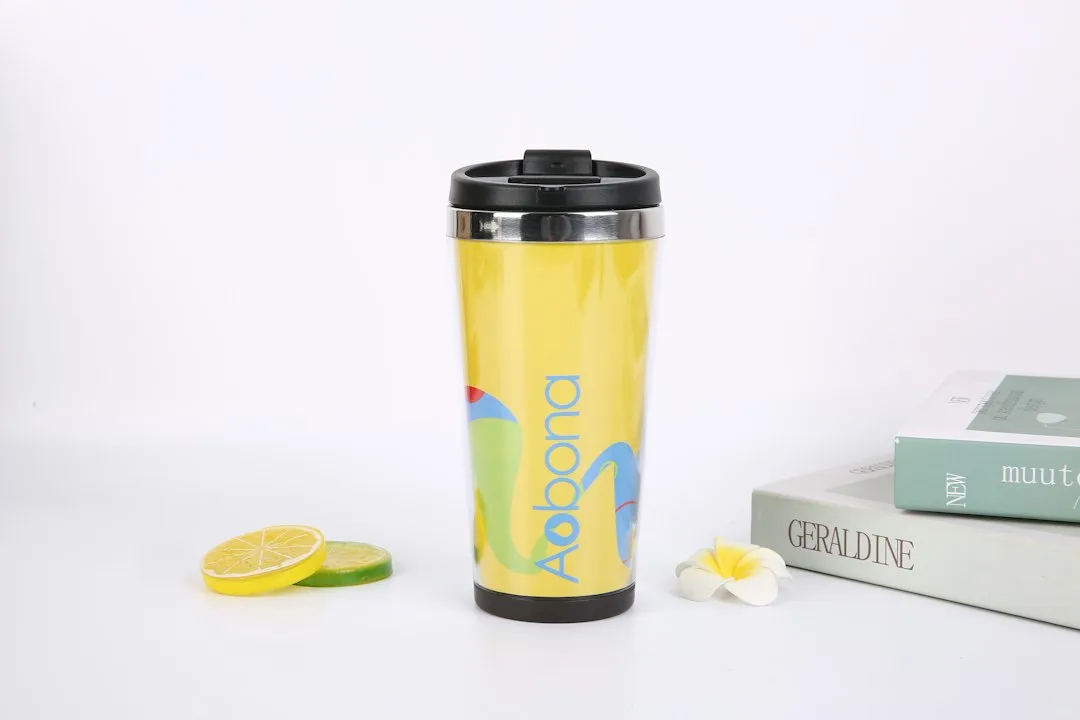
Switch to reusable stainless steel pod adapters or brew coffee using a French press or drip machine. You get fresher, richer flavor from whole beans at a fraction of the cost per cup.
4. Specialty Chemical Surface Cleaners
Cleaning aisles convince shoppers they need separate sprays for windows, granite counters, tile backsplashes, and laminate floors. Each bottle costs five to seven dollars.
A simple mixture of equal parts distilled white vinegar and warm water cleans windows, mirrors, and kitchen surfaces effectively. A box of baking soda scrubs sinks and stovetops without scratching. A one-gallon jug of vinegar costs three dollars and replaces five specialized household cleaners.
5. Pre-Cut Fruits and Packaged Vegetables
Grocery stores charge up to three hundred percent more for pre-sliced pineapple, chopped watermelon, and bagged broccoli florets.
Take five minutes on shopping day to peel and dice whole fruits and vegetables yourself. Store them in airtight glass containers. They stay crisp longer than store-sliced produce and keep significant cash in your wallet.
6. Brand-Name Pantry Staples and Over-the-Counter Medications
Flour, granulated sugar, pure baking soda, and table salt contain identical chemical ingredients regardless of the logo printed on the box.
Similarly, store-brand pain relievers and allergy tablets contain the exact same active ingredients, dosages, and safety standards as heavily advertised brand names. Choosing the generic equivalent saves thirty to fifty percent instantly at the register.
7. Dryer Sheets and Fabric Softeners
Commercial dryer sheets coat laundry fabrics with chemical wax that reduces towel absorbency and clogs dryer lint traps over time.
Replace them with a four-pack of natural wool dryer balls. They bounce between wet clothes to soften fabrics naturally, reduce drying time by twenty percent, and last for over a thousand laundry loads.
8. Fast Fashion Clothing Items
Cheap trendy garments sold by fast-fashion retailers fall apart after four washes. The low upfront price tag tricks shoppers into constant replacement cycles.
Build a capsule wardrobe of durable, timeless pieces. Buying second-hand vintage or investing in well-constructed garments saves money long term because you stop shopping every weekend.
9. Single-Serving Snack Packs
Individual 100-calorie snack pouches, miniature chip bags, and tiny trail mix bags carry an enormous packaging surcharge.
Purchase family-sized bags or bulk nuts and portion them into small reusable silicone bags at home. You get the same grab-and-go convenience for half the price per ounce.
10. Premium Extended Warranties
Electronics retailers aggressively push extended warranties on blenders, headphones, and televisions at checkout because warranties are pure retail profit.
Most modern consumer goods already include manufacturer warranties. Furthermore, many credit cards automatically extend warranty protections when used for purchase. Put that warranty money into your emergency savings fund instead.
11. Impulse Books and Magazines
Grabbing a twenty-dollar bestselling hardback at the airport or supermarket register adds clutter to your nightstand.
Use your local library card and the free Libby app to borrow audiobooks and digital releases directly on your smartphone. If you fall in love with a book after reading it, buy a keepsake copy then.
12. Unused Gym Memberships
Gyms intentionally sell ten times more memberships than their physical capacity allows, counting on non-attendance.
If you have not set foot inside your gym in sixty days, cancel the contract immediately. Free outdoor walking, bodyweight workouts at home, and community parks provide fantastic fitness without a sixty-dollar monthly drain.
13. Disposable Plastic Food Wrap
Cling wrap sticks to itself, tears frustratingly, and fills garbage bags.
Invert a dinner plate over leftover bowls or use reusable silicone stretch lids. They seal containers securely, wash clean in soapy water, and eliminate plastic wrap purchases forever.
14. Commercial Air Freshener Sprays and Plug-Ins
Aerosol air fresheners and scented plugin oils mask household odors with synthetic fragrances and require constant cartridge refills.
Open your windows for ten minutes of crisp fresh air every morning. Simmer orange peels, cinnamon sticks, and cloves in a pot of water on the stove for an organic home scent that costs pennies.
15. Daily Takeout Lunches at Work
Eating lunch at neighborhood cafes near corporate offices costs seventy-five dollars a week.
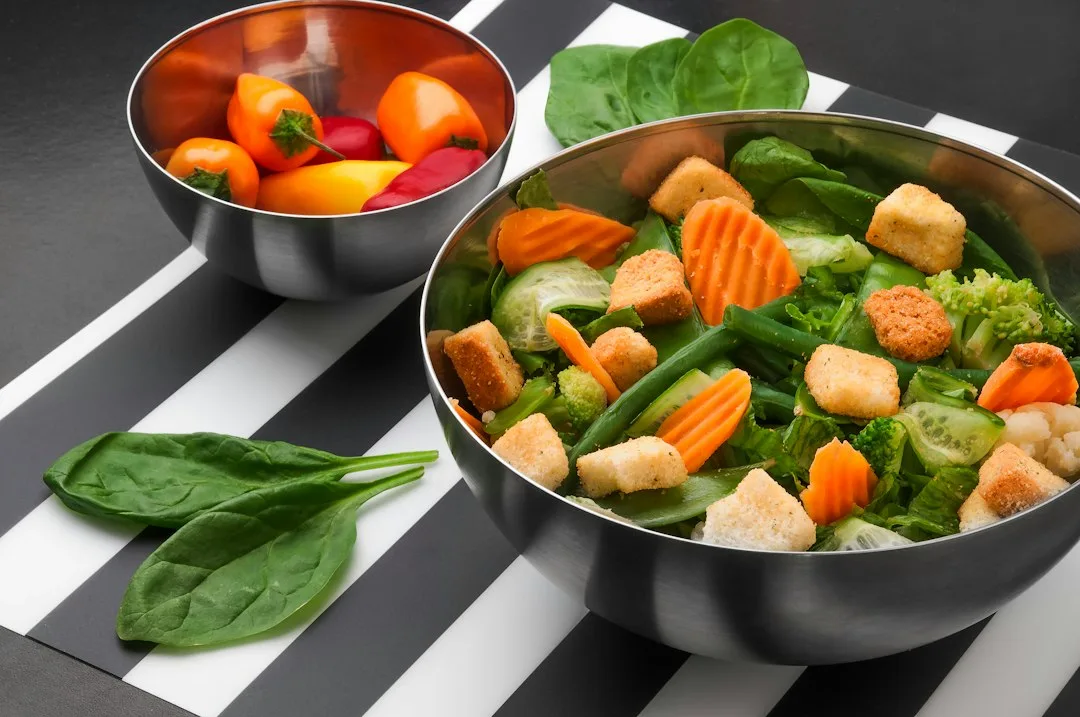
Pack hearty leftovers in a compact bento box. You enjoy peaceful lunch breaks without waiting in long restaurant lines, and you bank three thousand dollars in savings every year.
What Usually Happens in Real Life vs. What People Expect
People worry that quitting disposables will make housework tedious and time-consuming. They imagine endless loads of dirty rags and hours chopping food.
In practice, running your home becomes simpler. Your garbage bins fill up much slower. You carry fewer heavy shopping bags from your car. You never run out of napkins or paper towels mid-spill because your cloth rags are always ready in the drawer.
What Most People Overlook
People look at a three-dollar package of plastic wrap or a four-dollar box of dryer sheets and think it is too small to matter. What they overlook is the cumulative compounding effect.
When you eliminate ten small recurring disposable items from your household shopping list, you reduce your supermarket bill by sixty to eighty dollars every single trip. Over five years, that simple shift keeps four thousand dollars in your savings account.
The Most Common Mistake Beginners Make
The biggest mistake is throwing away all existing disposable supplies to buy trendy zero-waste matching containers immediately. That defeats the entire financial purpose.
Use up every paper towel and plastic bag you already own. As items run out naturally, replace them one by one with reusable alternatives. Let your frugal transition happen organically and sustainably.
