

The average four-person household in North America throws away roughly fifteen hundred dollars worth of edible food every single year. That equates to walking out of the grocery store with four bags of groceries and dropping one directly into the parking lot dumpster.
Most families do not realize how much food they throw away because it happens in tiny, quiet increments: a slimy bag of spinach tossed out on Tuesday, half a container of sour cream discarded on Thursday, and rock-hard bread heels thrown away on Sunday.
Eliminating food waste is the most powerful financial raise you can give your family. You do not need to eat less or sacrifice quality. You simply need to eat what you already bought. Here are 8 proven habits to stop throwing away groceries and cut food waste to zero.
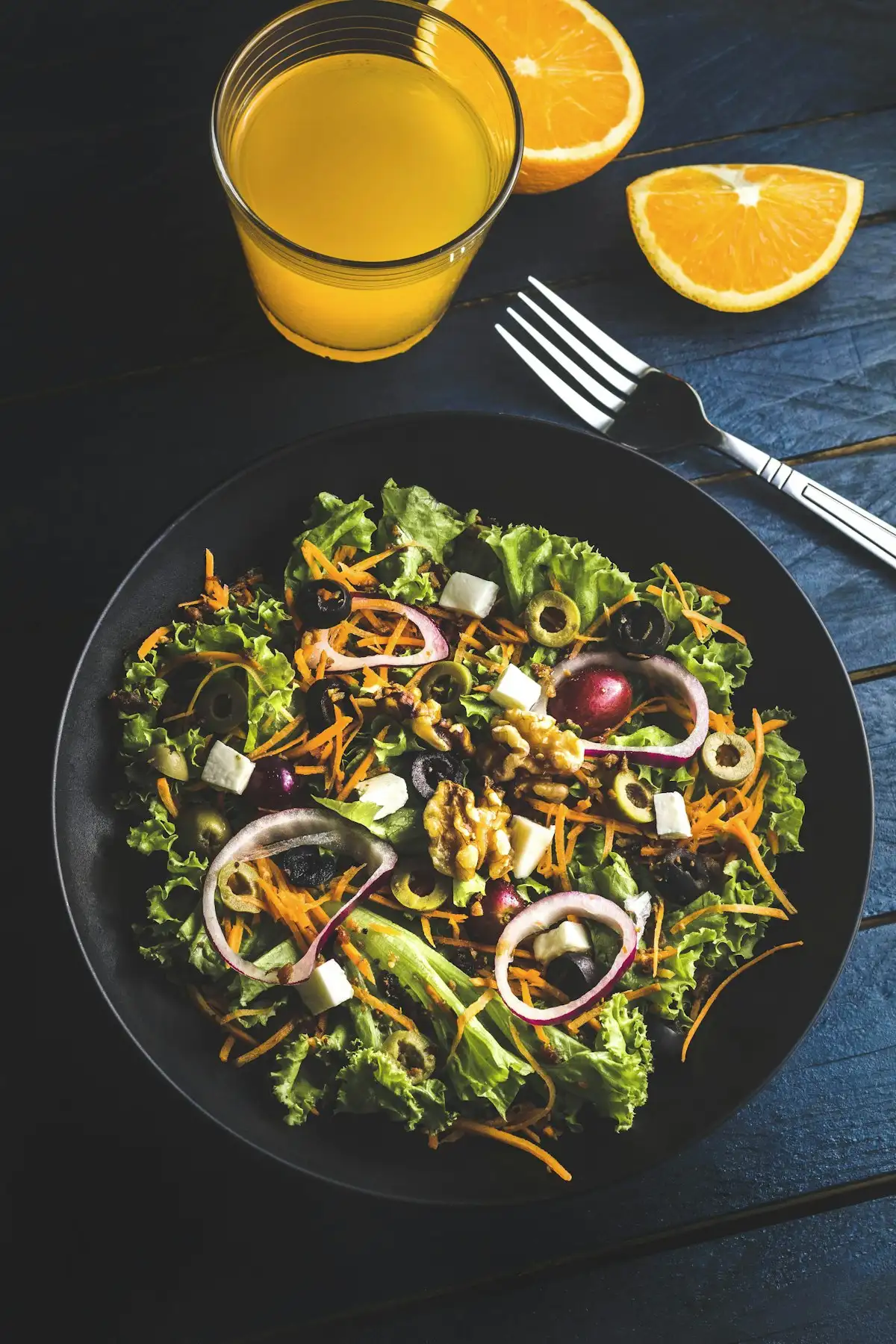
1. Establish a Dedicated “Eat Me First” Refrigerator Bin
Food goes to die in modern refrigerators because it gets shoved to the back of dark shelves behind large milk jugs and beverage cartons. Out of sight is out of mind.
Place an inexpensive clear acrylic bin on the center shelf of your refrigerator at eye level. Label it boldly with a marker: “Eat Me First.”
Every time you inspect the fridge, move items approaching their prime—half a cucumber, opened yogurt, remaining grilled chicken slices—directly into this bin. When anyone looks for a snack or quick lunch, this bin is their mandatory first stop.
2. Store Leafy Greens with Paper Towels
Pre-washed boxed salad greens and bagged spinach are notorious for turning into black, unappetizing slime within three days. The culprit is not age; it is trapped surface moisture.
The moment you bring greens home from the supermarket, open the plastic container. Place two dry paper towels or clean cotton cloth napkins at the bottom and top of the container, then seal the lid.
The towels absorb excess condensation while maintaining necessary ambient humidity. This thirty-second trick keeps tender salad greens crisp and vibrant for up to two full weeks.
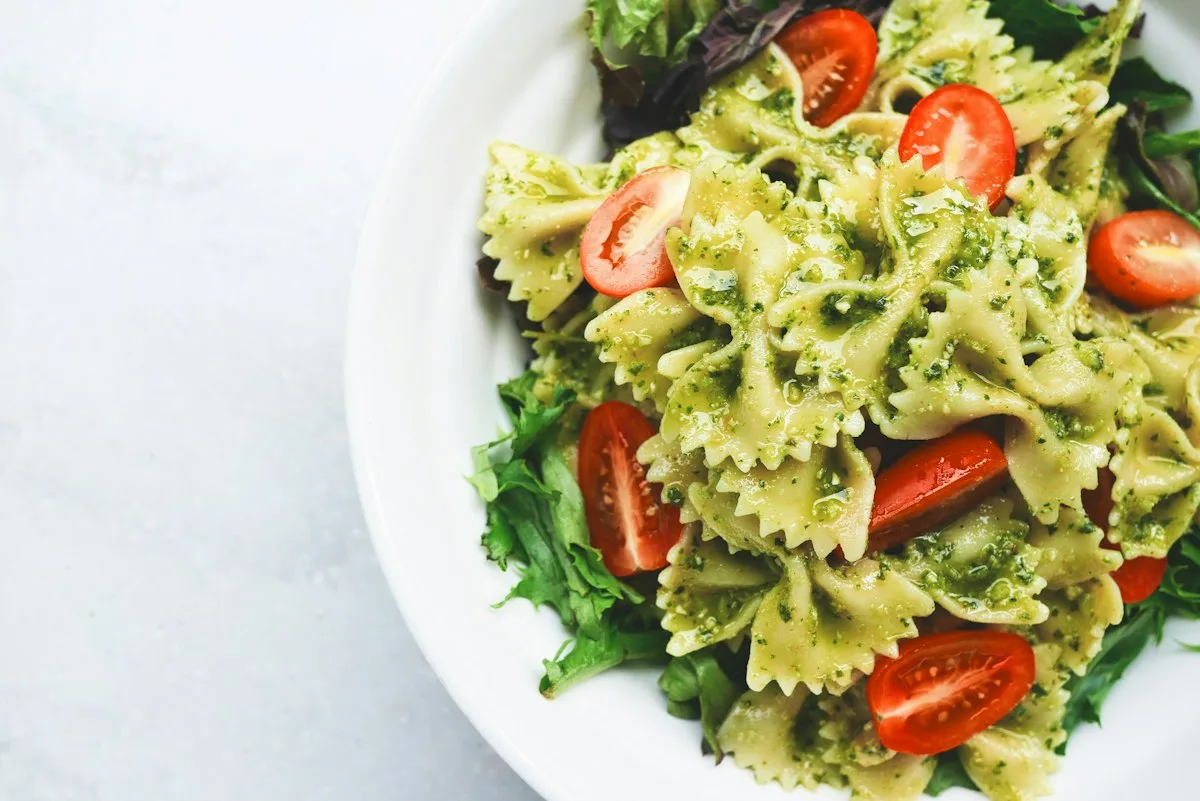
3. Schedule a Mandatory “Use-It-Up” Dinner Night
Rather than planning a new recipe for every night of the week, designate Thursday evening as your official “smorgasbord” or “use-it-up” night.
Pull out every small plastic container of leftover food from the previous three days. Place them in the center of the dining table alongside warm rice, tortillas, or pasta.
Let family members build their own hybrid bowls, wraps, or loaded baked potatoes. Clearing out the refrigerator before your weekend grocery shopping trip ensures zero leftovers end up spoiled in the trash.
4. Freeze Bread Heels and Stale Ends Immediately
Bakery bread loaves and sandwich breads often develop green mold before smaller families can finish the entire loaf. Discarding the last four slices of every bread loaf is pure financial waste.
If you know your family will not finish a whole loaf within three days, slice it immediately and store half the loaf in the freezer. Frozen bread slices thaw in two minutes or pop directly into the toaster with zero loss of quality.
Save stale crusts in a freezer bag. When the bag fills up, pulse the crusts in a food processor with garlic salt and Italian herbs to create free homemade breadcrumbs for chicken cutlets or meatballs.

5. Keep an Ongoing Freezer Stock Scrap Bag
Throwing away vegetable trimmings, onion ends, carrot peels, and chicken carcasses is throwing away free gourmet broth. Commercial chicken broth costs three dollars a carton and is mostly water and salt.
Keep a gallon-sized freezer bag tucked in your freezer door. Every time you chop vegetables, toss the clean trimmings inside: celery leaves, carrot skins, onion peels, leek greens, and parsley stems.
When the bag is packed full, dump the frozen scraps into a large pot with water, bay leaves, peppercorns, and leftover bones. Simmer for four hours and strain. You get quarts of rich, golden culinary broth at zero extra cost.
6. Understand the Difference Between “Best By” and “Use By” Dates
Millions of consumers throw away perfectly safe food because they misunderstand manufacturer date stamps. In the United States, “Best If Used By” dates indicate optimal manufacturer flavor quality, not food safety.
Only infant formula carries a federally regulated safety expiration date. Hard cheeses, canned goods, dried grains, mustard, and vinegar remain completely safe and delicious long after their stamped dates.
Trust your sensory faculties. Check for signs of active spoilage: off-putting sour smells, visible mold fuzz, or unusual slime. If food looks good, smells clean, and tastes normal, it is perfectly fine to eat.

7. Revive Limp Vegetables in Cold Ice Water
When carrots, celery stalks, broccoli florets, or radishes sit in the crisper drawer for a week, they lose internal water and become bendable and rubbery. Most people assume they are spoiled and toss them out.
Vegetables go limp simply because their plant cells have lost turgor pressure through evaporation. Trim the root ends and submerge the limp vegetables in a bowl of ice-cold water for thirty minutes.
The plant cells will drink up the water through osmosis, making the celery stalks and carrots snap with crisp, crunchy freshness again.
8. Repurpose Overripe Fruit into Baking and Smoothies
Bananas with brown speckled skins, bruised apples, and wrinkled berries are often discarded as garbage. In truth, overripe fruit has the highest natural sugar concentration and deepest flavor.
Peel speckled brown bananas, break them into chunks, and freeze them in silicone bags for creamy milkshakes and smoothie bases. Or mash them with flour, eggs, and walnuts to bake a fragrant loaf of banana bread.
Simmer bruised apples and wrinkled pears with a splash of water and cinnamon into sweet homemade fruit sauce that pairs wonderfully with pork chops or oatmeal.

What Usually Happens in Real Life
When people try to eliminate food waste, they often buy too much fresh produce with overly optimistic intentions. They buy three heads of kale, two bags of carrots, and four zucchini, only to realize their family cannot physically consume that volume in five days.
Shop with realistic restraint. Buy only the fresh produce needed for the first three days of the week. Rely on frozen vegetables and hearty root crops for dinners later in the week.
What Most People Overlook
People often overlook the massive environmental cost of food waste. When organic food rots inside anaerobic landfills, it produces potent methane gas that drives atmospheric warming.
Preventing food waste in your kitchen saves your family over one hundred dollars a month while significantly shrinking your household’s carbon footprint.
Common Mistakes Beginners Make
- Crowding the refrigerator: Overpacking shelves blocks cold air circulation, creating warm spots that cause dairy and meat to spoil prematurely.
- Washing produce before storage: Moisture encourages rapid fungal growth. Only wash fruits and berries right before you prepare to eat them.
- Storing potatoes and onions together: Onions release ethylene gas that causes nearby potatoes to sprout and rot quickly. Store them in separate ventilated baskets.
- Ignoring leftovers in meal planning: Always plan for leftover lunches; if you cook six full meals without eating leftovers, food will spoil.
Frequently Asked Questions
How do I know if canned food has actually gone bad?
Inspect the metal can closely. Never consume food from cans that are bulging, severely dented along the rim seams, or leaking liquid. If liquid spurts out upon opening or smells sour, discard immediately without tasting.
Can hard cheese with a spot of mold be saved?
Yes. The United States Department of Agriculture states that you can safely cut off mold spots on hard cheeses like cheddar, parmesan, and swiss. Cut at least one inch around and below the mold spot, keeping the knife out of the mold itself.
How much money will stopping food waste realistically save?
An average family that cuts food waste from thirty percent down to under five percent saves between one hundred and two hundred dollars every single month. That puts over twelve hundred dollars back into your pocket every year.