

When financial gurus tell people to “cut out lattes and avocado toast,” listeners naturally roll their eyes. Cutting tiny everyday pleasures feels petty and irritating, especially when major structural expenses like rent and vehicle payments consume most of your paycheck.
Yet behavioral finance studies prove something fascinating: people who build the habit of saving small amounts of money consistently are ten times more likely to achieve long-term financial independence than people who wait for large windfalls.
Automated micro-savings and digital spare-change challenges eliminate the pain of saving entirely. By capturing pennies and single dollars silently in the background of your daily transactions, you build an emergency cash cushion on complete autopilot. Here are 7 micro-savings habits that build big cash.

1. The Automated Transaction Round-Up Method
Every time you swipe your debit card for a $4.35 coffee, your banking app rounds the purchase up to $5.00 and transfers the sixty-five-cent difference directly into your high-yield savings account.
Because each micro-transfer is less than one dollar, your brain never registers the loss. The average person executes thirty to forty debit card transactions each month.
Those forty micro-transfers silently collect forty to sixty dollars in savings every single month. Over a full year, transaction round-ups stash away five hundred to seven hundred dollars with zero active effort.
2. The $5 Bill Cash Retention Rule
If you regularly use physical cash for groceries, dining, or household expenses, this classic challenge works wonders.
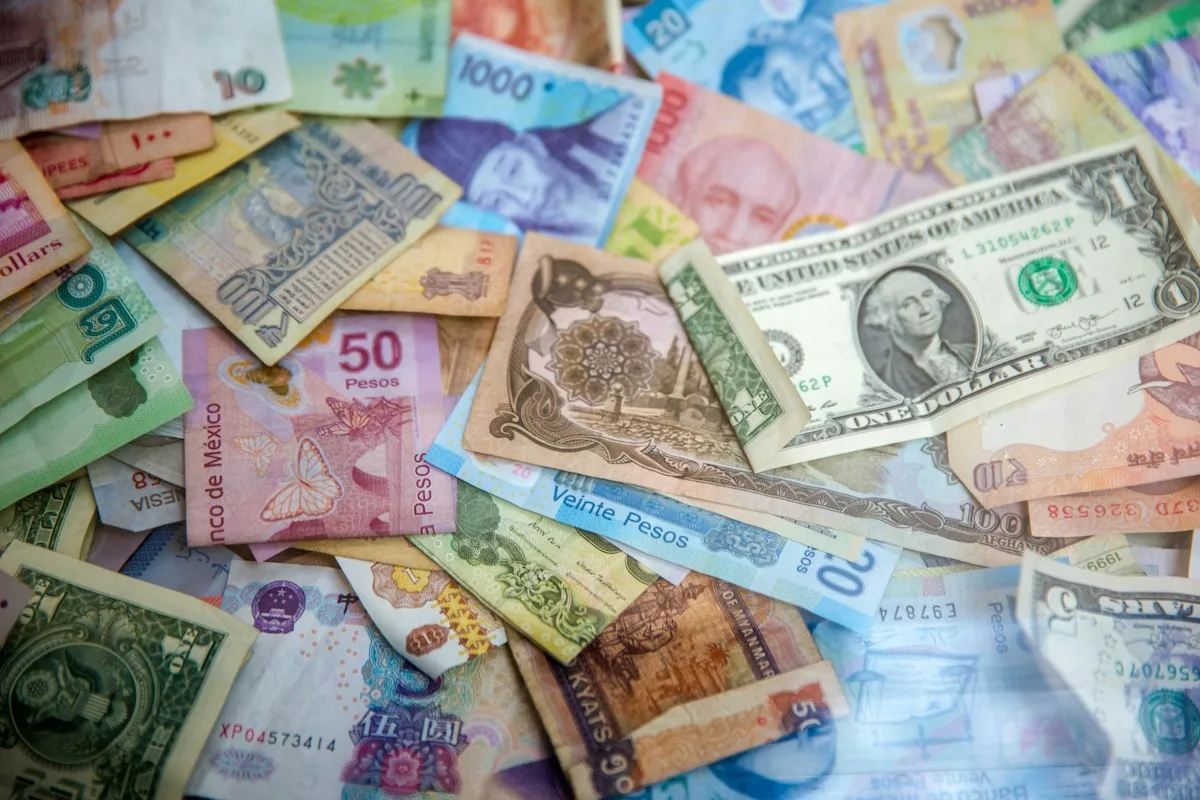
Whenever you receive a five-dollar banknote as change from a cash transaction, that bill becomes strictly untouchable. You are forbidden from spending it. It goes straight into a dedicated envelope or ceramic box at home.
Because five-dollar bills appear intermittently, saving them never disrupts your daily cash flow. Savers who practice this simple rule routinely find four hundred to six hundred dollars stashed away by the holiday shopping season.

3. The Weather Savings Challenge
This playful challenge ties your weekly savings directly to the natural climate. Every Wednesday, look up the highest recorded outdoor temperature in your hometown that day.
Whatever that temperature is, transfer that exact number in dollars into your savings account. If it is seventy-four degrees, you save $74. If it is thirty-two degrees in January, you save $32.
This lighthearted system keeps savings unpredictable and engaging, helping you accumulate between $1,500 and $2,500 over twelve months.
4. The “Guilt-Free Match” Habit
Whenever you choose to indulge in a non-essential luxury—such as buying an afternoon iced coffee, grabbing a takeout cocktail, or ordering an impulse movie rental—you must immediately match that spending with an equal transfer into your savings account.
If you spend six dollars on a fancy dessert, transfer six dollars into savings right from your phone before taking your first bite. This rule creates healthy psychological friction: you either double your savings, or you realize the indulgence isn’t worth double the price and skip it entirely.

5. The “Unsubscribe & Redirect” Trick
Audit your recurring digital entertainment subscriptions. Pick one streaming service, gaming pass, or beauty box you rarely use and cancel it immediately.
Instead of letting that twelve or fifteen dollars get absorbed into general spending, set up an automated monthly bank transfer of that exact amount into an index fund or savings account.
You redirect money that was previously going into corporate profits directly into your own long-term wealth.
6. The Paycheck Remainder Sweep
On the evening before your next paycheck arrives, check your checking account balance. Whatever odd dollars and cents remain—whether it is $14.32 or $47.80—sweep that entire remainder into savings before your new direct deposit hits.
Resetting your checking balance to an even baseline clears the slate for the new pay cycle and prevents leftover cash from being mindlessly frittered away.
7. The 24-Hour Digital Cart Hold
One-click mobile checkouts make online shopping deceptively frictionless. Whenever you feel an urge to buy non-essential clothing, home gadgets, or tech accessories online, add the items to your cart and close the browser tab completely.
Set a timer for twenty-four hours. If you still genuinely need the item after twenty-four hours, buy it intentionally. If the impulse has faded, transfer the cost of that avoided purchase straight into your savings account as a reward for your discipline.
What Usually Happens in Real Life
People often dismiss micro-savings because saving forty-two cents on a Tuesday feels insignificant compared to a twenty-thousand-dollar student loan or mortgage.
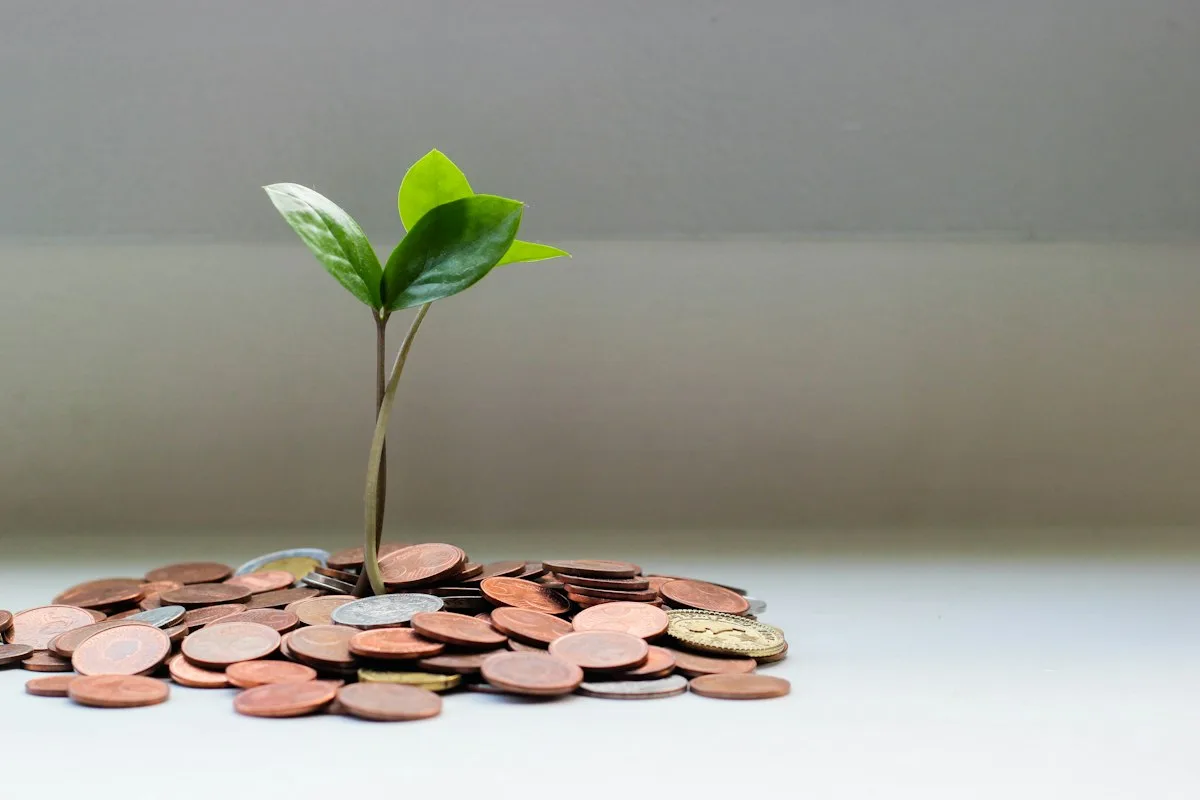
That cynical mindset keeps people stuck in financial paralysis. When you watch automated micro-transfers quietly accumulate into eight hundred dollars of cold cash, your psychological confidence shifts dramatically.
You realize that financial progress does not require massive windfalls. It requires consistent, automated systems that run in the background of your life.
What Most People Overlook
Most people overlook the power of pairing automated micro-savings with modern high-yield interest accounts.
When your accumulated micro-savings earn 4.5% to 5% APY, compound interest begins working for you instead of against you. Your saved money earns its own money, accelerating your progress every month.
Common Mistakes Beginners Make
- Paying high monthly fees for savings apps: Never use micro-savings apps that charge three to five dollars a month; those fees wipe out your interest earnings. Use free bank-native round-up tools instead.
- Over-drafting checking accounts: Ensure your checking account maintains a fifty-dollar buffer so automated round-ups never trigger overdraft fees.
- Raiding micro-savings for impulse buys: Treat your savings bucket as an untouchable reserve; transfer funds out only for genuine life emergencies.
- Failing to graduate to investing: Once your emergency savings reaches three months of expenses, divert your micro-savings into low-cost index funds.
Frequently Asked Questions
Do automated round-up tools track all my credit cards?
Most banking institutions offer round-up features linked directly to their own debit cards. If you prefer third-party apps, ensure they use bank-level 256-bit encryption and charge zero monthly maintenance fees.
Can micro-savings actually make a difference for someone in deep debt?
Yes. Having even five hundred dollars in cash prevents you from adding new credit card debt whenever an unexpected car tire or dentist bill occurs, giving you the stability needed to attack debt systematically.
What is the easiest micro-habit to start today?
Start with the Paycheck Remainder Sweep. Tonight, sweep whatever odd dollars remain in your checking account into savings. It takes fifteen seconds and gives you an immediate financial victory.