

Walk past the butcher counter at any modern supermarket, and you will notice prices that make your eyes water. Boneless ribeye steaks, organic chicken breasts, and fresh wild seafood have reached luxury status.
Many fitness enthusiasts and budget shoppers mistakenly believe they must choose between hitting their daily protein goals or staying out of debt. That belief is an expensive myth.
You do not need to spend eight dollars a pound on prime animal cuts to fuel your body with muscle-building protein. Here are 9 cheap and healthy protein sources that beat high meat prices every single week.
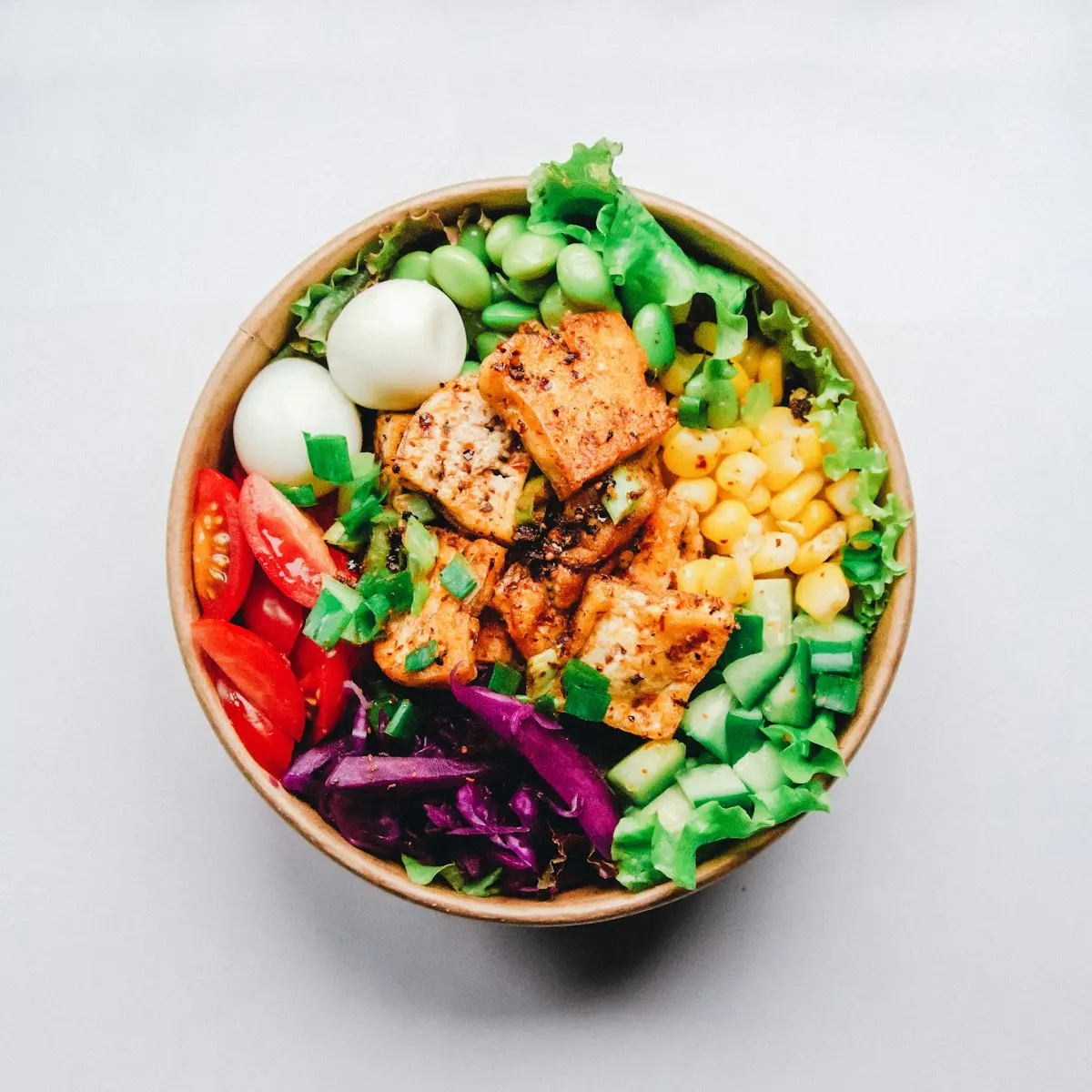
1. Whole Pastured or Cage-Free Eggs
Eggs remain one of nature’s most complete nutritional powerhouses. A single large egg contains six grams of highly bioavailable protein along with choline, vitamin B12, and essential lutein.
Even when egg prices fluctuate, a carton of twelve eggs usually costs around three dollars. That equates to twenty-five cents per serving. Scramble three eggs with spinach and black pepper, and you have an eighteen-gram protein breakfast for less than one dollar.
Keep a bowl of hard-boiled eggs peeled in your refrigerator. They make instant grab-and-go snacks that eliminate the temptation to buy four-dollar packaged protein bars.
2. Canned Light Tuna in Water
Canned tuna is the ultimate pantry bodybuilder staple for good reason. A standard five-ounce can costs roughly one dollar and ten cents while delivering a staggering twenty-six to thirty grams of pure lean protein.
Chunk light tuna contains significantly less mercury than albacore white tuna, making it safer for frequent consumption. Drain a can and mix it with a spoonful of Greek yogurt, Dijon mustard, and diced celery.
Enjoy it scooped over mixed greens or stuffed inside a warm whole-wheat pita for an ultra-high protein lunch under two dollars.
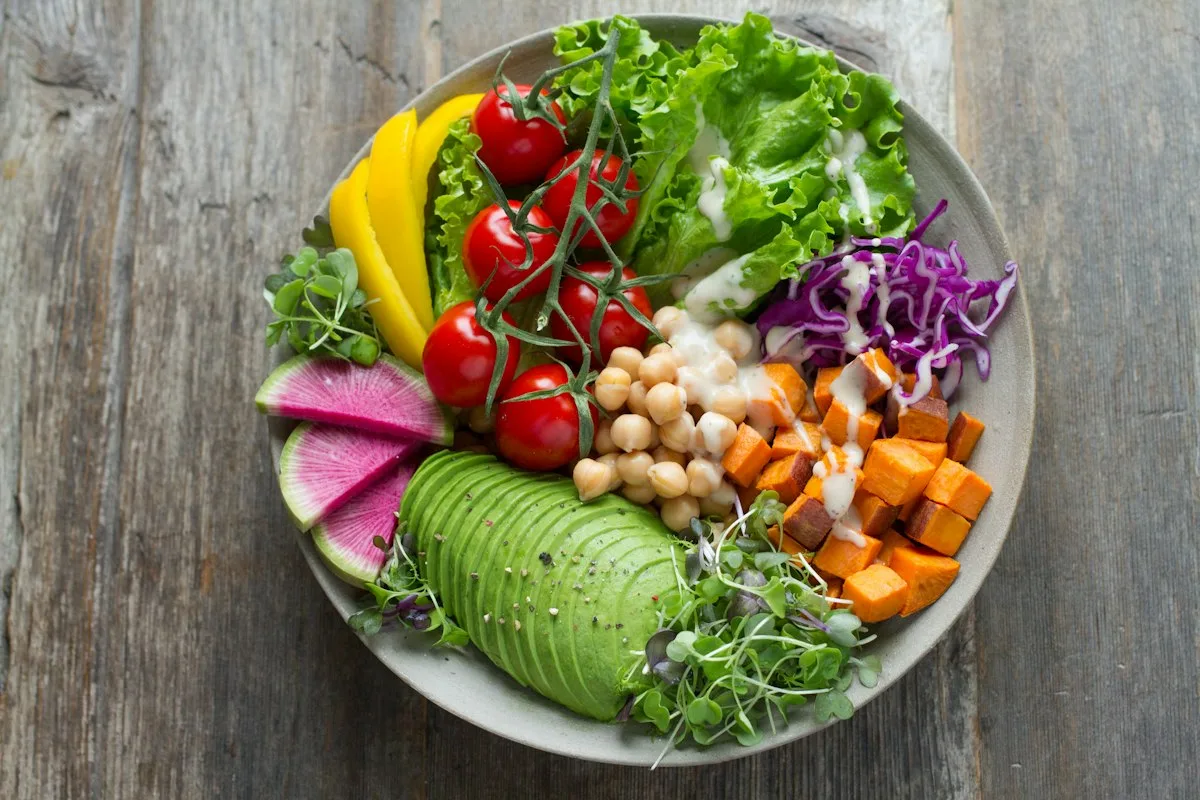
3. Plain Low-Fat Greek Yogurt and Cottage Cheese
Commercial flavored yogurts are essentially sugary puddings with minimal nutritional benefit. In sharp contrast, plain Greek yogurt is strained to remove excess whey, concentrating its casein protein density.
A single one-cup serving of plain Greek yogurt or low-fat cottage cheese provides between twenty-four and twenty-eight grams of protein. A large thirty-two-ounce tub costs around three dollars and fifty cents at discount supermarkets.
Enjoy it sweet with a drizzle of honey and frozen berries, or use cottage cheese as a savory spread blended with garlic, black pepper, and fresh dill.
4. Bone-In, Skin-On Chicken Thighs
Boneless, skinless chicken breasts carry a heavy price premium for the factory labor required to trim and bone the meat. Bone-in chicken thighs, however, routinely go on sale for one dollar and forty-nine cents per pound.
Thigh meat contains slightly more healthy fat, making it virtually impossible to dry out during cooking. The rich dark meat remains juicy and succulent whether baked, grilled, or braised.
Save the chicken bones in a freezer bag. When you have six or eight bones, simmer them with water and vegetable scraps to make free, gelatin-rich bone broth.
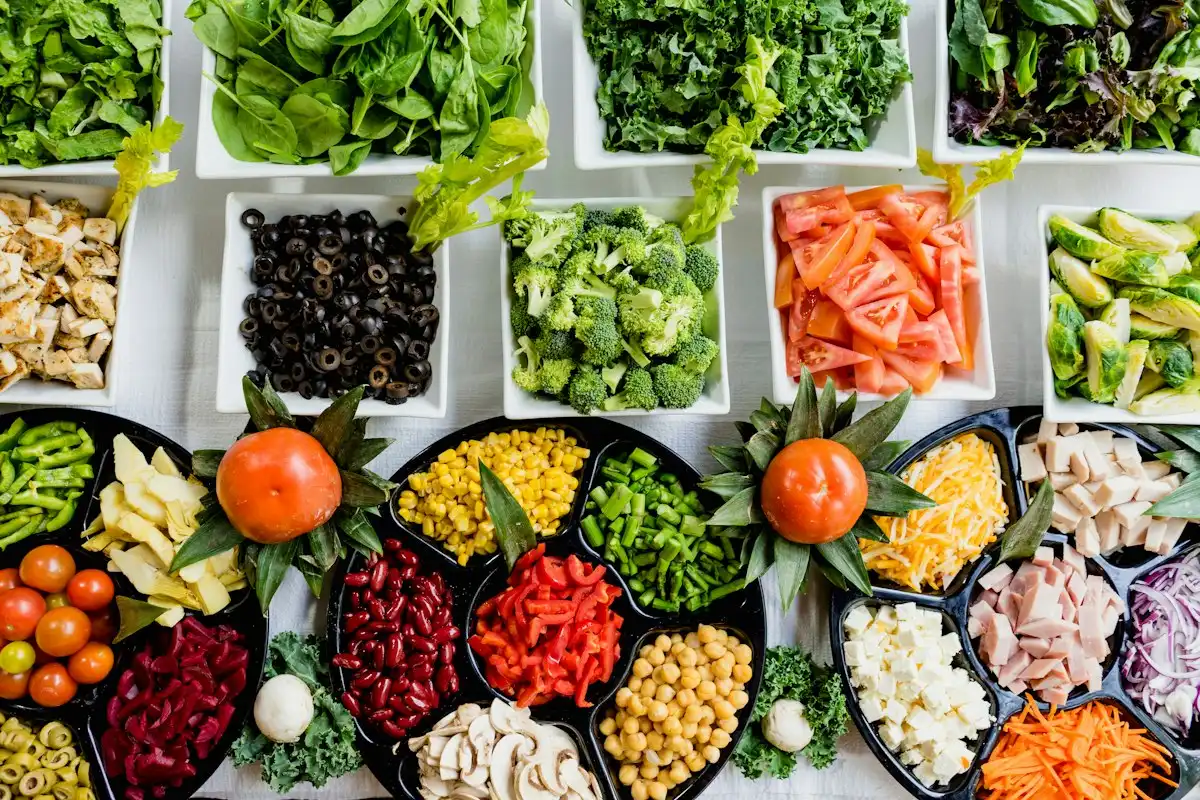
5. Extra Firm Tofu
Many western home cooks dismiss tofu as bland health food, primarily because they do not know how to prepare it correctly. Tofu is an extraordinary culinary chameleon that readily absorbs whatever flavors you introduce.
A fourteen-ounce block of organic extra firm tofu costs less than two dollars and provides over thirty-five grams of complete plant protein. Press the block between paper towels with a heavy skillet for fifteen minutes to expel moisture.
Cut the tofu into cubes, toss them in cornstarch and soy sauce, and pan-sear them in hot oil. The cubes become delightfully crispy on the exterior with a tender, custardy center.
6. Whole Pork Loin Roasts
Pork loin is one of the best-kept secrets in the meat department. Supermarket meat counters often run deep promotional sales on whole six-to-eight-pound pork loins for under two dollars a pound.
Pork loin is surprisingly lean, rivaling skinless chicken breast in calorie and fat content. Bring the whole roast home and slice it yourself into a dozen thick boneless pork chops and a tender weekend roast.
Freeze the individual chops in two-portion packs. You instantly secure weeks of high-protein family dinners for twenty dollars.

7. Canned Sardines in Olive Oil
Sardines might feel old-fashioned, but nutritionists revere them as one of the healthiest foods on the planet. Because sardines sit low on the ocean food chain, they do not accumulate heavy toxins or microplastics.
A single can costs around one dollar and twenty-five cents and supplies twenty-three grams of protein, a massive dose of omega-3 fatty acids, and your entire daily requirement of vitamin D.
Mash sardines on toasted whole-grain sourdough with a squeeze of fresh lemon juice, sliced red onion, and hot pepper flakes for a gourmet Mediterranean lunch.
8. Dry Edamame and Green Soybeans
Dry roasted edamame beans are an exceptional high-protein snack. A single half-cup serving packs fourteen grams of protein and eight grams of dietary fiber.
You can also buy bags of frozen shelled edamame in the freezer section for under two dollars. Boil them for four minutes, toss with sea salt, and keep them on hand for quick additions to salads, rice bowls, and soups.
9. Bulk Peanut Butter and Peanuts
Peanuts are technically legumes rather than true tree nuts, giving them a much higher protein-to-cost ratio than almonds or walnuts. Two tablespoons of natural peanut butter contain eight grams of protein.
A large thirty-two-ounce jar of natural peanut butter costs four dollars. Stir two tablespoons into your morning oatmeal, blend it into fruit smoothies, or whisk it with soy sauce and vinegar for savory noodle dishes.
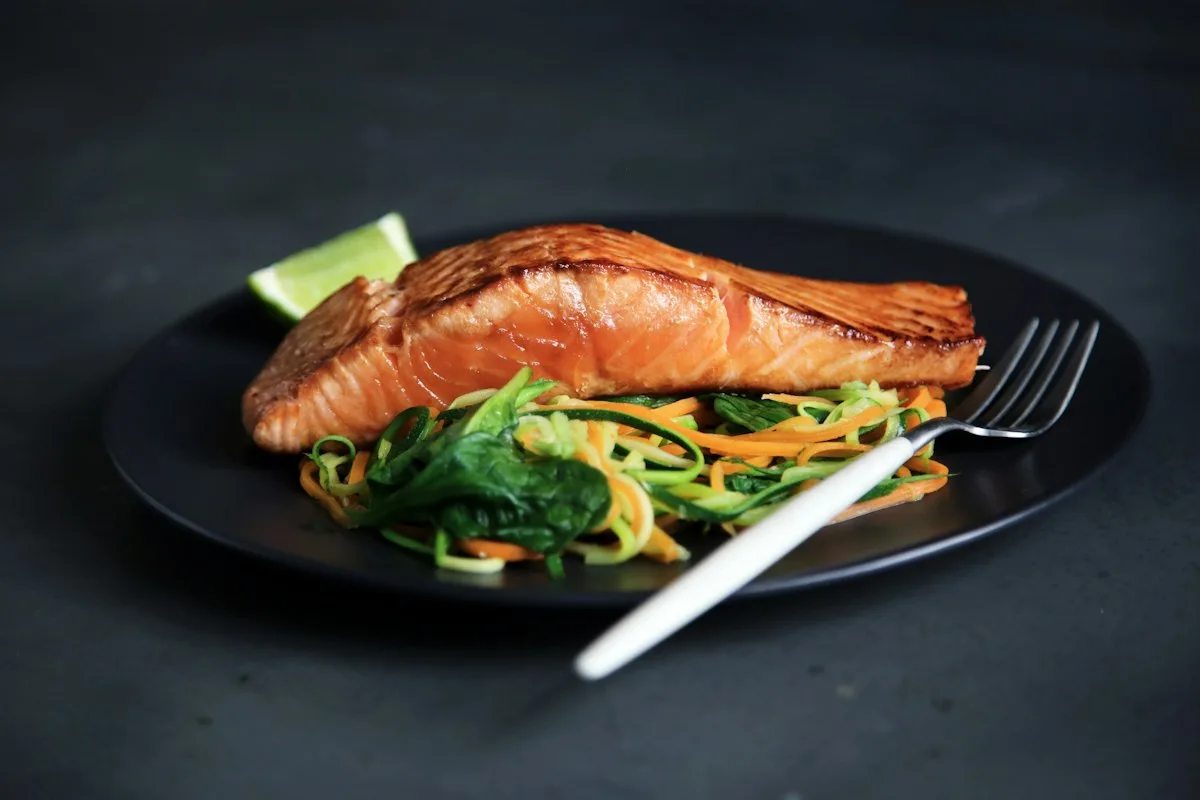
What Usually Happens in Real Life
When people try to reduce their meat spending, they often switch abruptly to unseasoned lentils or boiled chicken breast. The lack of culinary satisfaction causes intense cravings, leading them right back to buying expensive ribeye steaks.
Blend budget proteins into meals with rich, comforting sauces. Use bold aromatics like garlic, ginger, curry pastes, and smoked salts. When budget food tastes incredible, nobody at the dinner table misses expensive beef.
What Most People Overlook
Most shoppers overlook the protein density hidden in everyday staples like whole wheat pasta, quinoa, green peas, and pumpkin seeds.
When you combine moderate protein sources throughout the day, hitting your nutritional goals happens effortlessly without relying on expensive protein powder supplements.
Common Mistakes Beginners Make
- Buying ultra-processed meat substitutes: Packaged faux-meat patties often cost more per pound than real beef and contain high levels of sodium and seed oils.
- Failing to properly press tofu: Skipping the pressing step leaves tofu waterlogged, preventing it from crisping up or absorbing delicious sauces.
- Discarding chicken skins and bones: Roast chicken with the bone and skin for rich flavor, then simmer the remnants into free homemade bone broth.
- Ignoring supermarket weekly meat markdown bins: Look for yellow “manager’s special” stickers on meat approaching its sell-by date; freeze it immediately for fifty percent savings.
Frequently Asked Questions
Can you build significant muscle on budget plant proteins?
Yes. By consuming diverse protein sources like tofu, lentils, eggs, and Greek yogurt, you easily obtain all nine essential amino acids required for muscle hypertrophy and recovery.
How often is it safe to eat canned tuna?
Health authorities recommend eating canned chunk light tuna two to three times per week. Chunk light tuna has roughly one-third the mercury content of albacore white tuna, making it a reliable budget option.
What is the absolute cheapest protein per gram available?
Dry lentils and bulk dry beans consistently rank as the cheapest protein per gram on earth, costing roughly one to two cents per gram of protein. Whole eggs and bulk pork loin follow closely behind.