Traditional meal planning advice follows a predictable script: browse online recipe blogs, find five gourmet meals with twenty ingredients each, write a massive shopping list, and head to the supermarket. You spend one hundred and fifty dollars buying specific items you may only use once.
By Thursday evening, you are tired. Half of those ambitious recipes remain unmade. The fresh spinach turns slimy in the crisper drawer, the bell peppers wrinkle, and you end up throwing twenty dollars worth of spoiled groceries into the trash can.
This cycle of overbuying and food waste is why most families struggle to lower their grocery bills. The solution is not buying more groceries. The solution is reversing your entire planning process.
What Is Reverse Meal Planning?
Traditional meal planning asks: “What do I feel like eating this week?”
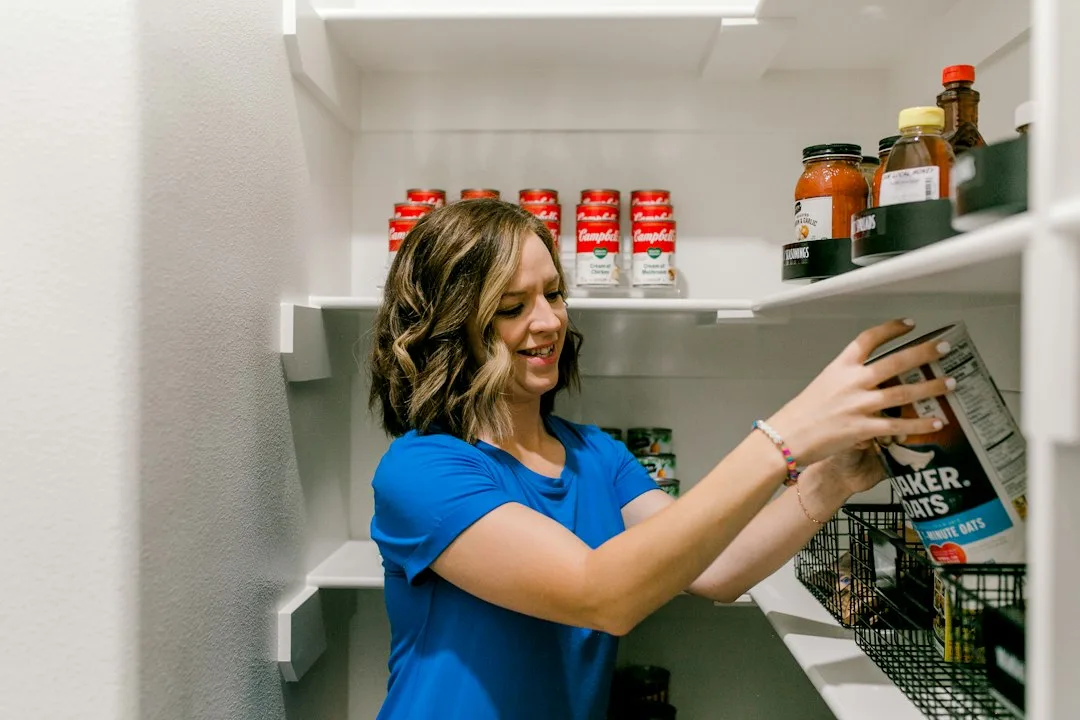
Reverse meal planning flips the question entirely: “What do I already have in my kitchen that must be eaten first?”
Instead of starting with blank recipe cards and supermarket flyers, you start by shopping your own refrigerator, freezer, and pantry. You plan meals around existing ingredients and only visit the grocery store to purchase the few missing elements needed to pull those dinners together.
Step 1: The Five-Minute Refrigerator Audit
Open your refrigerator before writing a single word on your shopping list. Look specifically for perishable items nearing their expiration dates.
Do you have half a package of mushrooms, three carrots, and a jar of sour cream? That is not random clutter; that is the base for beef stroganoff or a hearty mushroom omelet. Do you have leftover chicken breast and half an onion? That is the filling for Friday night quesadillas.
Designate an “Eat First” bin on your middle refrigerator shelf. Any open cheeses, cut vegetables, or cooked leftovers go straight into this bin so everyone in your home knows what to reach for first.
Step 2: Mining Your Freezer for Hidden Treasure
Freezers are where grocery dollars go to be forgotten. Deep in the back often sit bags of frozen peas, half-used bags of corn, chicken thighs bought on sale last month, and frozen rolls.
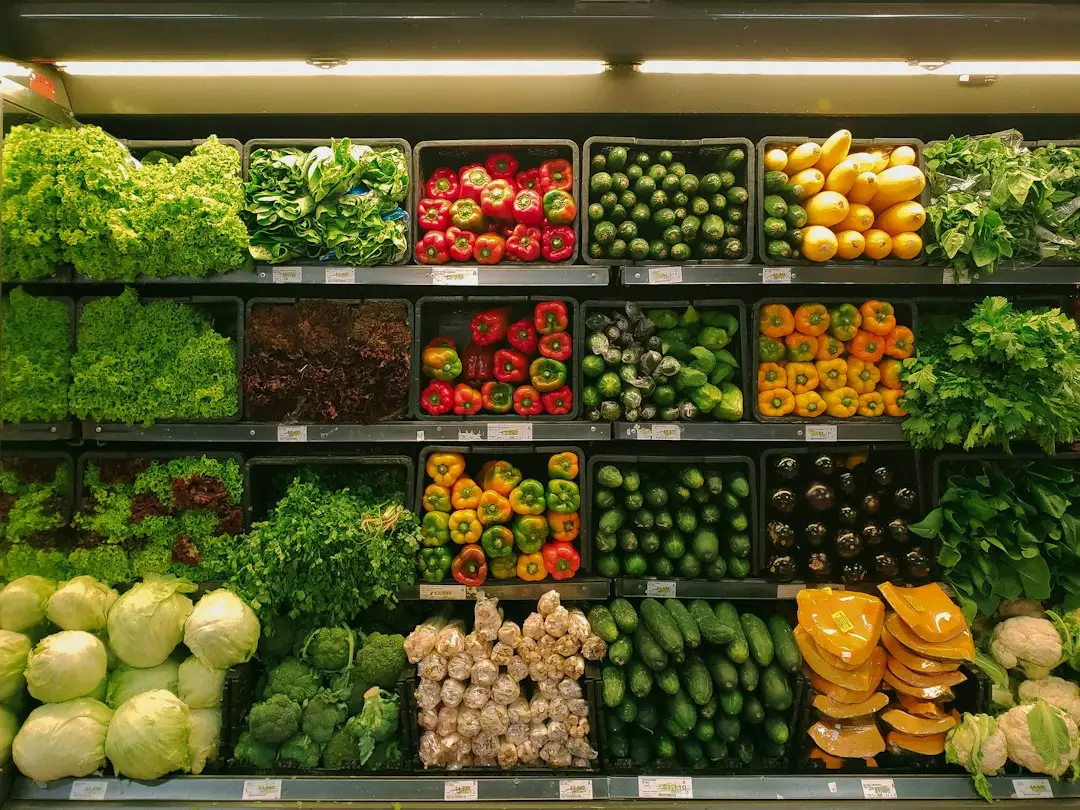
Select two proteins from your freezer and pull them into the refrigerator on Sunday morning to thaw safely. By planning your week around meat and produce already stored in your freezer, you instantly eliminate the most expensive category on your weekly grocery receipt.
Step 3: Pairing Perishables with Dry Pantry Foundations
Once you identify your expiring produce and thawed freezer proteins, connect them to long-lasting dry staples.
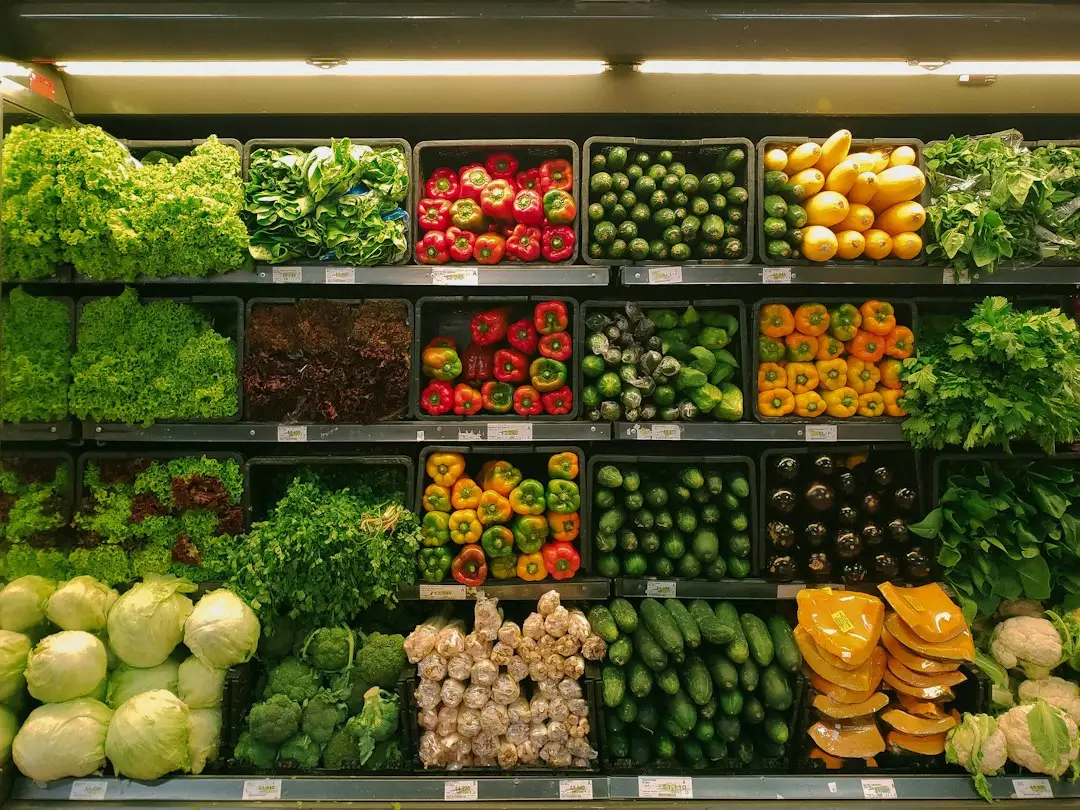
Dry pasta, white rice, canned black beans, rolled oats, and lentils are culinary bridges. They transform small amounts of leftover meat and vegetables into complete, hearty dinners. Half a cup of shredded roast beef combined with a can of black beans, diced tomatoes, and rice becomes three satisfying burritos.
Step 4: Writing the “Gap-Only” Shopping List
Only after mapping out three to four dinners from existing home supplies do you write your grocery shopping list.
Your list now contains only the missing puzzle pieces: a head of fresh lettuce, a carton of milk, or a dozen eggs. Instead of wheeling a loaded shopping cart down twelve aisles, you make a targeted ten-minute trip that costs thirty dollars instead of one hundred and twenty.
Step 5: The “Kitchen Sink” Meal Concept
Every successful reverse meal planner reserves one evening a week for an open-ended meal concept that absorbs miscellaneous kitchen odds and ends.

Here are three foolproof formats that transform scraps into crowd-pleasing dinners:
- The Clean-Out Frittata: Whisk six eggs with a splash of milk. Sizzle whatever diced vegetables, meats, and cheeses remain in your fridge, pour the eggs over top, and bake.
- The Everything Fried Rice: Fry cold leftover grains with any combination of diced veggies, scrambled eggs, and soy sauce in a hot skillet.
- The Sheet-Pan Hash: Dice potatoes, onions, carrots, and any leftover sausage. Toss in olive oil and bake at 400 degrees until crispy.
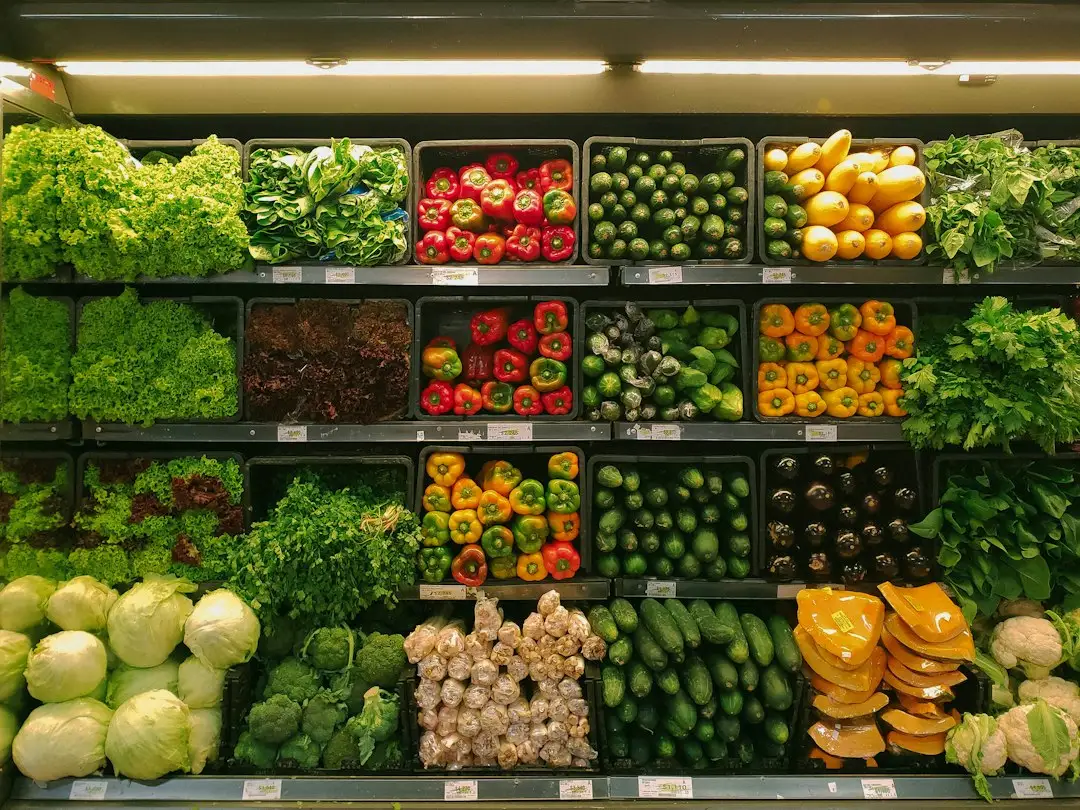
What Usually Happens in Real Life vs. What People Expect
People expect reverse meal planning to feel chaotic and repetitive. They worry their family will complain about eating weird combinations of leftovers.
In practice, it unleashes real kitchen creativity. You discover delightful flavor combinations you never would have found in a cookbook. You feel a deep sense of satisfaction looking at an empty trash can and a clean refrigerator at the end of the week, knowing not a single dollar of food went to waste.
What Most People Overlook
Most shoppers treat condiments and seasonings as single-use items. They buy hoisin sauce for one recipe, use two tablespoons, and let the jar sit in the door shelf for nine months.
What they overlook is that condiments are powerful flavor engines. Salad dressings make incredible marinades for chicken. Salsa makes a rich base for slow-cooked shredded pork. BBQ sauce glazes roasted vegetables. Use your condiment shelf aggressively to flavor simple staple grains.
The Most Common Mistake Beginners Make
The biggest mistake is refusing to adjust when fresh produce approaches its expiration threshold. People watch strawberries soften in the fridge because they are waiting for a specific Saturday breakfast recipe.
If produce is nearing the end of its life today, freeze it immediately or cook it into tonight’s dinner. Toss softening berries into a freezer container for smoothies. Sizzle wilting spinach into scrambled eggs tonight. Prevent the loss before it happens.
