

When you decide to take control of your personal finances, you face an immediate philosophical crossroads: should you withdraw physical paper money and stuff it into labeled envelopes, or should you build a sophisticated digital spreadsheet?
Devotees on both sides preach their chosen system with near-religious zeal. Cash stuffing influencers on TikTok display aesthetic color-coded binders stuffed with crisp twenty-dollar bills. Meanwhile, personal finance engineers argue that spreadsheets and automated apps offer superior analytical precision.
The truth is that neither tool is universally superior. The best budgeting system is simply the one you will actually maintain when life gets frantic. Here is an honest, practical comparison between cash envelope budgeting and digital spreadsheets, along with how to build the perfect hybrid model.

The Cash Envelope System: How It Works and Who It Benefits
The cash envelope system is a physical budgeting methodology popularized by classic financial educators. On payday, you withdraw cash for your discretionary spending categories and divide it into labeled physical envelopes: Groceries, Dining Out, Entertainment, Clothing, and Personal Care.
Whenever you shop, you pay exclusively using the designated envelope. When the cash in the Dining Out envelope is gone, you do not eat at restaurants until your next paycheck. There are no overdrafts, no grace periods, and no digital tricks.
The Psychological Advantages of Cash
- Tangible emotional friction: Brain imaging studies reveal that handing over physical banknotes stimulates pain receptors in the cerebral cortex. Swiping a piece of plastic or tapping a smartphone feels completely painless, leading to twelve to eighteen percent higher cart totals.
- Absolute hard boundaries: You cannot accidentally overspend a physical envelope. When the paper bills are gone, spending terminates instantly.
- Zero technical learning curve: You do not need to learn complex software formulas, link bank APIs, or troubleshoot broken data syncs.
The Real-World Drawbacks of Cash
- Inconvenient for modern online shopping: You cannot pay for home delivery groceries, online prescriptions, or digital utility bills with paper cash.
- Theft and loss risk: If you misplace a cash binder or leave your purse in a cart, that paper currency is gone forever without fraud protection.
- Zero interest earnings: Hundreds of dollars sitting idle in paper envelopes earn 0% interest, while modern high-yield accounts pay 4% to 5% APY.
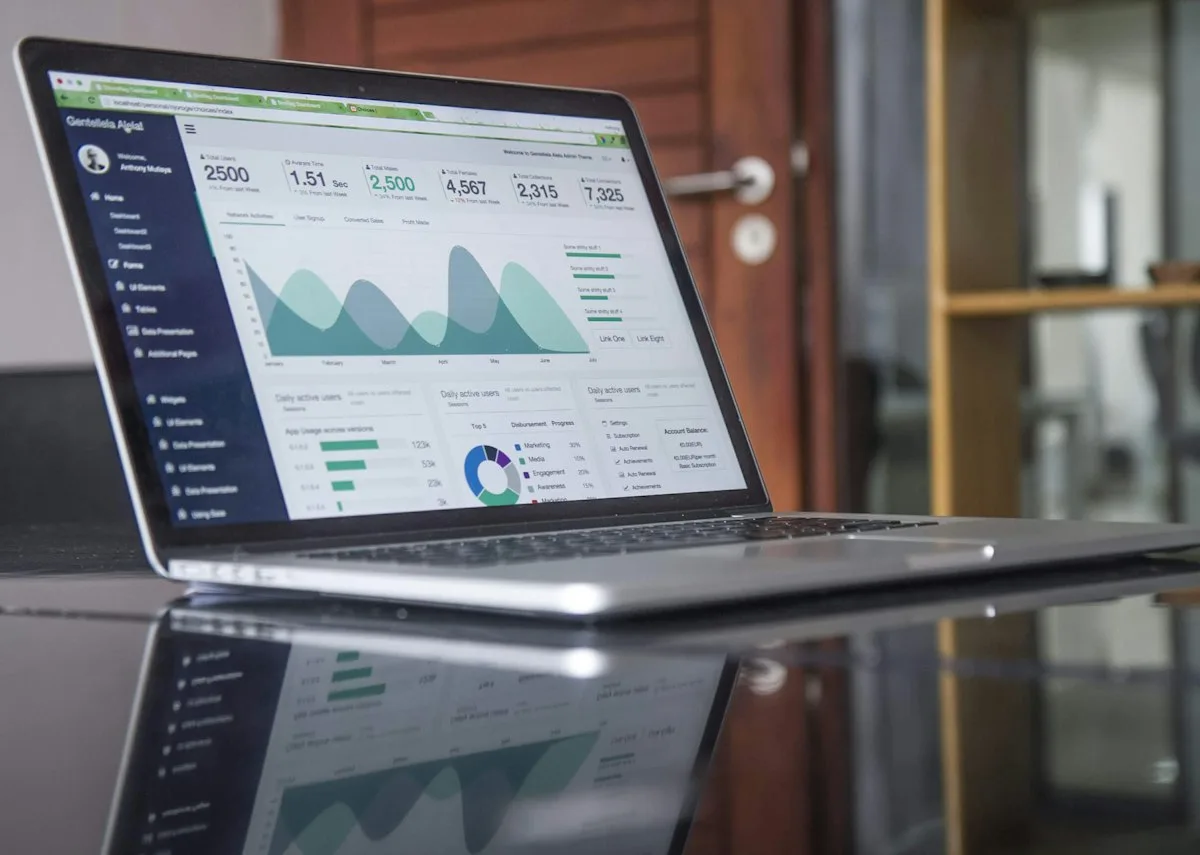
The Digital Spreadsheet System: How It Works and Who It Benefits
Digital budgeting utilizes software like Microsoft Excel, Google Sheets, or automated budgeting applications. Every dollar of income and every transaction is recorded into digital categories, automatically calculating running balances and net worth trajectories.
The Analytical Advantages of Spreadsheets
- Flawless long-term tracking: A spreadsheet maintains five years of historical data in one file. You can generate custom pivot tables showing annual grocery trends or vehicle maintenance costs over sixty months.
- Automated bill payment compatibility: Fixed expenses like mortgages, student loans, car insurance, and electricity bills stay on automated bank draft, eliminating late payment fees completely.
- Compound interest optimization: Your money remains inside interest-earning checking and high-yield savings accounts until the exact day bills clear.
The Real-World Drawbacks of Spreadsheets
- Data entry friction and burnout: Manually logging every ninety-cent parking meter charge or grocery receipt into a spreadsheet takes discipline. Most people abandon the routine after six weeks.
- Delayed feedback loops: A spreadsheet only reports overspending after the transaction has already cleared your bank account. It records the damage rather than physically preventing it.

The Hybrid Method: The Ultimate Solution for Busy Families
Rather than choosing between two extremes, the most successful modern budgeters build a hybrid system that captures the psychological power of cash while retaining digital efficiency.
1. Automate All Fixed Expenses Digitally
Keep your rent, mortgage, utilities, phone bill, auto insurance, and debt minimums on automated electronic draft inside your primary checking account. These expenses are predictable and non-negotiable; they require zero daily willpower.
2. Cash Stuff the “Variable Leak” Categories Only
Identify the two or three spending buckets where you consistently blow your monthly budget—typically Groceries, Weekend Dining Out, and Personal Shopping. Withdraw cash for those specific categories on payday.
When you enter a supermarket or restaurant, you carry only your cash envelope. You eliminate the emotional urge to overspend while leaving your fixed overhead safely automated in the background.

What Usually Happens in Real Life
Beginners often attempt to carry twelve separate cash envelopes in their everyday bag: one for haircuts, one for dog food, one for car washes, and one for coffee. Managing twelve envelopes in a busy grocery checkout line creates intense social anxiety and confusion.
Keep your physical system minimalist. Carry no more than two or three cash envelopes: one for Food & Groceries, and one for Fun & Discretionary. Simplify your system so it feels empowering rather than cumbersome.
What Most People Overlook
Most people overlook how much mental energy is consumed by complex budgeting systems. If your system requires three hours of data entry every Sunday, you will eventually abandon it when life gets stressful.
The goal of budgeting is not to become a certified accountant of your own life. The goal is to spend intentionally, eliminate debt, and build wealth with minimal friction.

Common Mistakes Beginners Make
- Robbing Peter to pay Paul: Moving cash from your Grocery envelope into your Dining Out envelope destroys the system; respect category boundaries.
- Obsessing over aesthetic binders: You do not need thirty dollars worth of pastel plastic zipper pouches; plain paper envelopes work just as effectively.
- Abandoning spreadsheets after one missed week: If you fall behind on logging transactions, reconcile your current account balance and move forward without guilt.
- Carrying large cash balances in public: Leave sinking fund envelopes for car repairs or vacations safely locked in a home safe; carry only what you need for today’s errands.
Frequently Asked Questions
Can you do cash stuffing virtually without physical paper money?
Yes. Many modern online banks allow you to create digital “sub-accounts” or “envelopes” within one main account. You can assign virtual debit cards to specific sub-accounts to mimic physical cash boundaries digitally.
How much cash should I start with for my first envelopes?
Review your last sixty days of bank statements to find your actual average spending on groceries and restaurants. Start with that realistic baseline number rather than an unrealistically tight figure, then reduce it by ten percent in Month 2.
Which system is better for paying off credit card debt?
Physical cash stuffing is vastly superior for chronic overspenders and debt payoff. Freezing credit card usage and handling tangible cash immediately resets spending habits and stops debt accumulation.