Walk through an older relative’s home, and you will notice habits that feel strange to modern consumers. A rinsed tin of bacon grease sits beside the stove. Clean glass jelly jars line the pantry shelves. Socks with stitched toes rest in the drawer instead of the trash bin.
These were not quirky design choices. They were practical survival systems developed during the Great Depression. Between 1929 and 1939, millions of families had to stretch pennies until they bled. Waste was not just frowned upon. It was an expense nobody could afford.
Today, rising grocery bills and steep utility costs put modern budgets under heavy pressure. You do not need to live in deprivation to build real financial security. Adopting these 10 time-tested Great Depression habits can slash your monthly overhead without stripping joy from your daily routine.
1. Cooking from Basic Pantry Staples Instead of Boxes
Depression-era cooks did not buy convenience foods. They built dinners around cheap, shelf-stable bulk staples like dried pinto beans, rolled oats, potatoes, cornmeal, and flour.
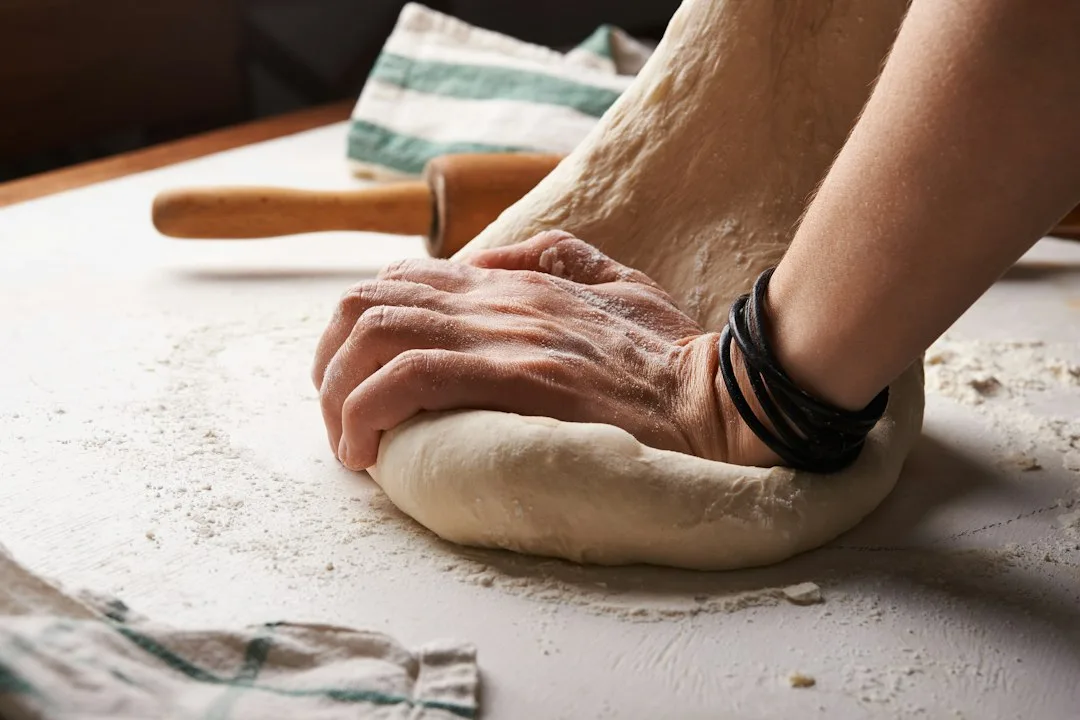
Packaged convenience foods carry an enormous convenience markup. A box of flavored rice mix often costs four times more per ounce than plain long-grain rice paired with your own spices. When you master three basic seasonings and keep dry beans on hand, your cost per dinner drops under two dollars per plate.
Start by learning how to make homemade flatbreads, simple bean chilis, and hearty potato soups. You will eat better while spending a fraction of your previous grocery budget.
2. The “Use It Up, Wear It Out” Rule
A popular Depression-era motto captured the entire household mindset: “Use it up, wear it out, make it do, or do without.”
Modern retail culture trains us to replace items the moment they look slightly worn or lose novelty. In contrast, families in the 1930s squeezed every droplet of utility from every possession. They cut nearly empty toothpaste tubes open with kitchen shears to get five more brushings. They scraped every corner of condiment jars with silicone spatulas.
The habit sounds tiny. Yet across an entire year, using products completely before repurchasing saves hundreds of dollars in personal care and pantry supplies.
3. Mending and Repairing Before Replacing
When a shirt lost a button in 1932, nobody threw it into a donation bin or bought a replacement online. They pulled out a sewing basket.
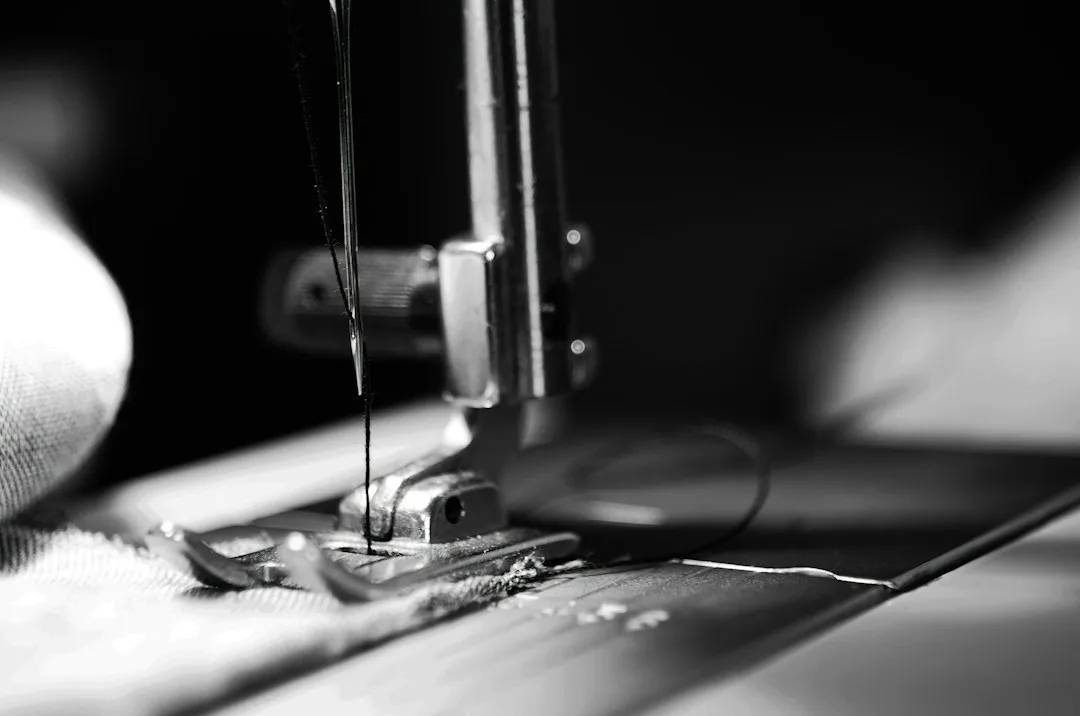
Basic hand-mending is a lost financial skill. Learning how to sew a secure button, repair a split hem, or patch a pair of work jeans takes twenty minutes on video tutorials. Fixing small tears keeps good clothing in active rotation for years.
This repair mindset extends beyond garments. Tightening a loose screw on a kitchen chair or replacing an appliance gasket prevents expensive replacements.
4. Turning Scraps into Liquid Gold (Broth and Drippings)
Depression cooks never discarded kitchen trimmings. Celery tops, onion skins, carrot peels, and chicken bones went straight into a stockpot with water and salt.

Simmering scrap vegetable peelings with roasted chicken bones yields rich, nutritious bone broth. A single box of store-bought chicken stock now costs three to four dollars. By saving food scraps in a freezer container and boiling them twice a month, you generate gallons of flavorful cooking stock for free.
Similarly, saving clean cooking fats and pan drippings provides free flavor for roasting potatoes and sautéing greens.
5. Growing What You Eat, Even in Small Spaces
Backyard vegetable plots and community “relief gardens” fed entire neighborhoods during hard economic times. Families turned sunny corners into productive food sources.

You do not need acres of land to grow food today. A sunny apartment windowsill or small balcony accommodates fresh herbs, green onions, and cherry tomato planters. Fresh herbs cost four dollars per plastic clam-shell at the store. A single three-dollar herb plant produces fresh rosemary or basil all season long.
Growing even ten percent of your produce reconnects you with the real value of food.
6. Treating Energy and Water as Valuable Commodities
People who lived through the 1930s turned off lights the second they walked out of a room. They closed interior doors to isolate heated rooms during winter. They hung damp laundry outdoors on lines.
Running a mechanical clothes dryer consumes significant household electricity. Setting up a simple folding drying rack inside your apartment or hanging sheets in the sun slashes utility bills immediately. Putting on a cozy wool sweater before bumping the thermostat up two degrees keeps heating costs under control all winter.
7. Storing and Repurposing Everyday Containers
Empty glass jars, clean cookie tins, and fabric sacks were treasured household assets. Flour manufacturers even began printing colorful floral patterns onto cotton flour sacks when they realized mothers used the cloth to sew dresses for their daughters.
Before spending fifteen dollars on trendy plastic organizing bins at retail stores, look around your kitchen. Glass pasta sauce jars make leakproof storage for spices, beans, and leftover soups. Sturdy shoe boxes covered in craft paper organize dresser drawers beautifully.
8. Entertaining at Home with Free Leisure
Depression-era families could not spend money on commercial entertainment. Instead, they gathered around radios, hosted community potluck suppers, played board games, and shared library books.
Modern social life often revolves around expensive restaurant dinners, cocktails, and paid subscriptions. Reclaiming low-cost socializing transforms your finances. Swap a seventy-dollar restaurant meal for a cozy backyard soup night with close friends. You get deeper conversations and zero financial guilt.
9. Keeping Cash Tangible and Visible
Without credit cards or tap-to-pay apps, people in the 1930s held physical money. When money left their hand, they felt the loss directly.

Digital transactions numb our perception of spending. Tapping a phone screen does not trigger the same psychological brake as handing over twenty-dollar paper bills. Using physical cash envelopes for discretionary categories like groceries and dining out creates an immediate spending stop.
10. Contentment and Delayed Gratification
Perhaps the deepest lesson from 1930s homemakers was distinguishing genuine needs from fleeting wants. They did not chase trends or upgrade belongings to impress peers.
Waiting thirty days before purchasing any non-essential item eliminates ninety percent of impulse buys. True financial peace comes from owning fewer items that serve you well, rather than piling up cheap possessions purchased on credit.
What Usually Happens in Real Life vs. What People Expect
Many beginners expect frugal living to feel miserable and punishing. They imagine cold rooms, bland food, and missing out on all modern fun.
In practice, the opposite happens. When you cut unnecessary waste, your stress levels plummet. You stop worrying about emergency car repairs because your bank account has a cushion. Cooking simple meals from scratch produces healthier food that tastes better than rushed takeout. Frugality creates autonomy, not deprivation.
What Most People Overlook
People often spend hours hunting digital coupon codes to save two dollars on a specialty item they never intended to buy. What they overlook is food waste in their own kitchen refrigerator.
The average household throws away nearly thirty percent of purchased groceries every month. Simply eating what you already bought before shopping again saves far more money than any digital coupon app.
The Most Common Mistake Beginners Make
The biggest trap is trying to adopt all ten frugal habits in a single weekend. You buy canning equipment, tear up your lawn, and freeze in your living room.
Extreme overhauls lead straight to burnout. Pick just one habit this week, like making broth from vegetable trimmings or establishing a weekly leftovers night. Once that habit feels effortless, add another. Small, sustainable habits compound into lifelong financial freedom.
